
Insights
The engineering reasoning behind our equipment specifications, application choices, and case studies — source-cited for every technical claim.

What Aquaphor B510's printed claims do and do not prove
Aquaphor's B510 carbon-block cartridges print a micron sentence and chlorine claims with no test terms, and WQA and NSF searches on 2026-10-02 found no listing under the names searched, so neither reads as a rated result.
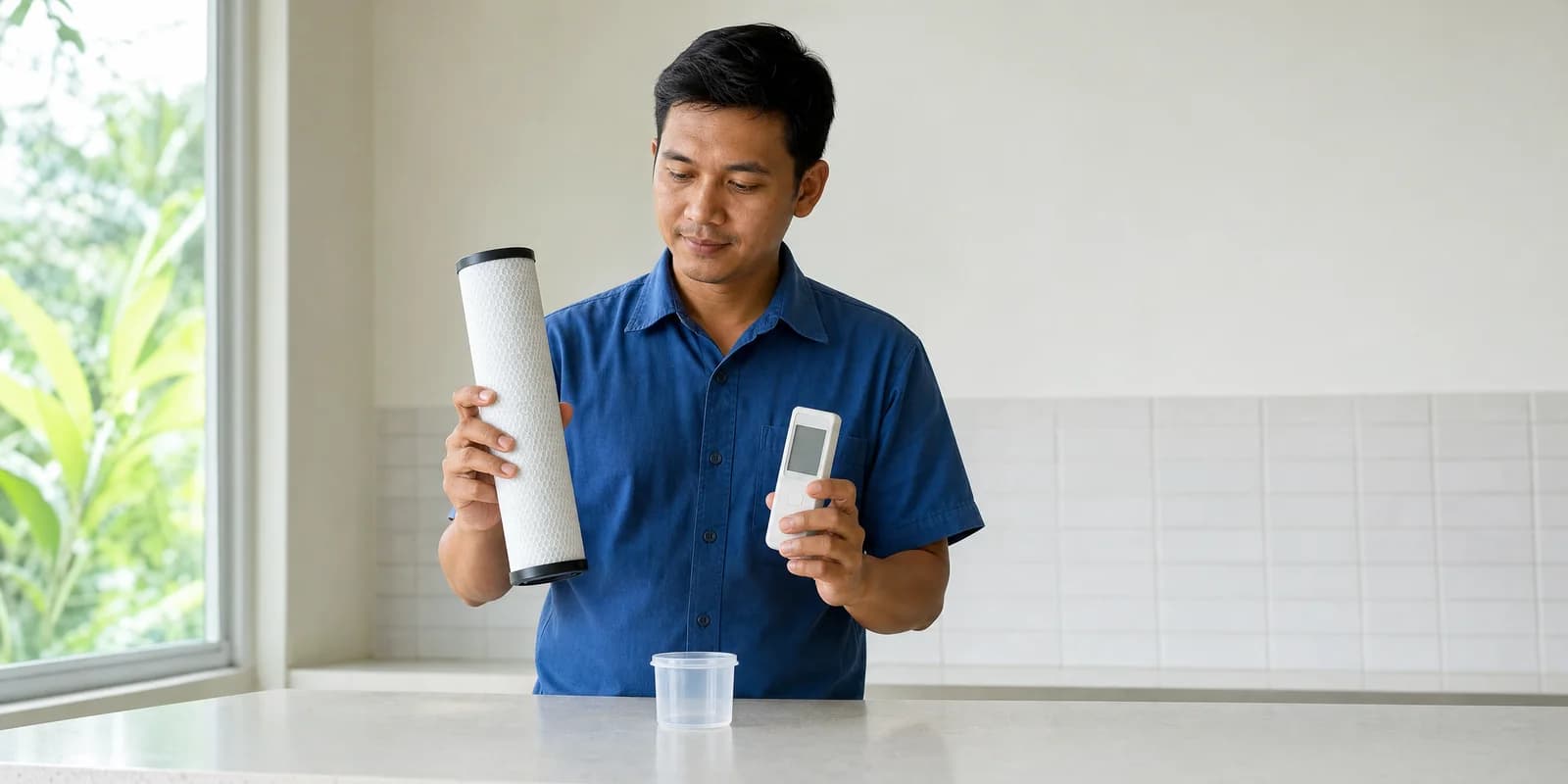
Aquaphor B510 cartridge selection guide, residual first
Aquaphor B510 carbon-block cartridges for a point-of-use stage: fit depends on which disinfectant residual and form the downstream unit tolerates, so request a quote with format, housing, life and chloramine questions attached.
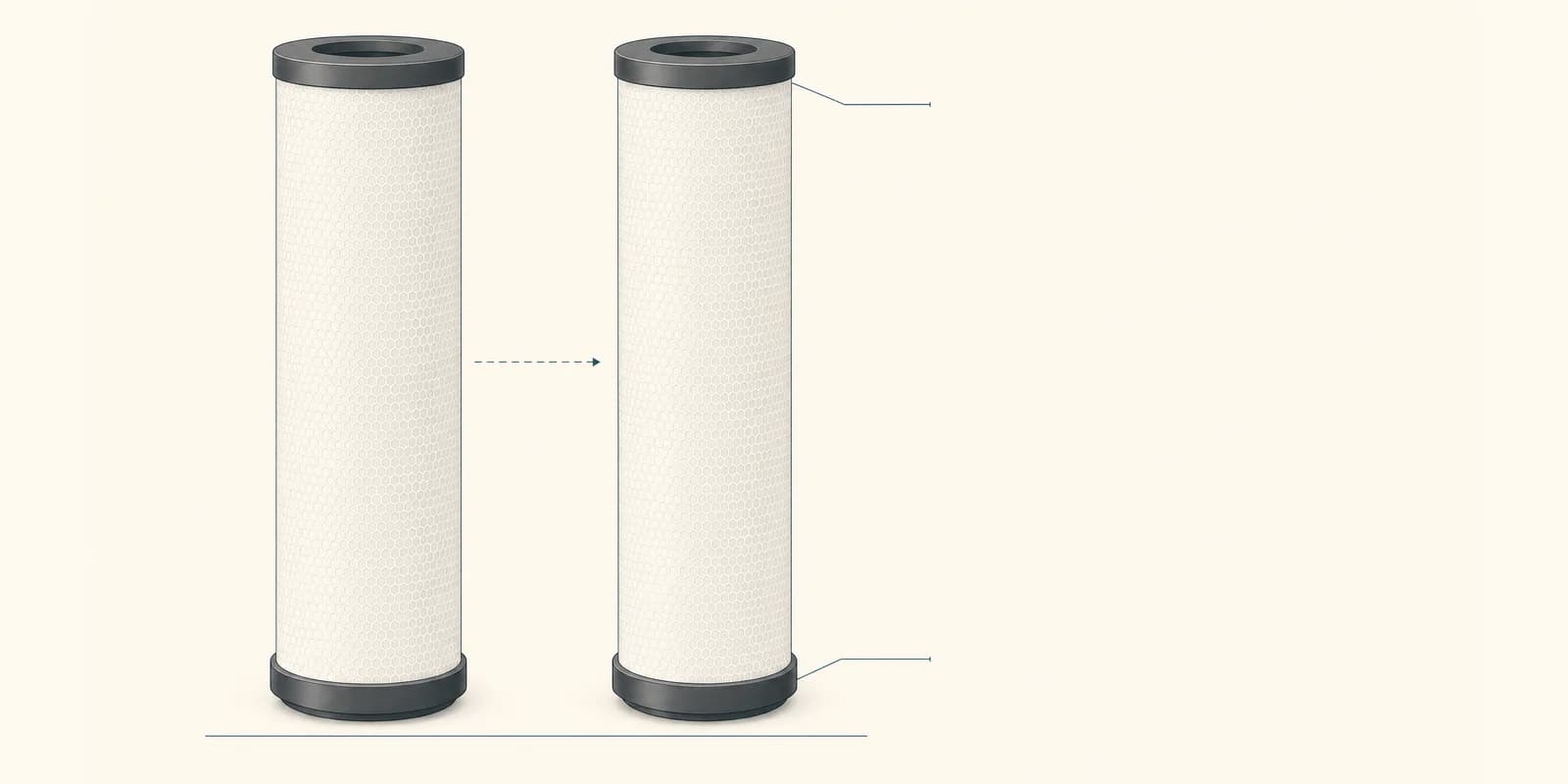
Aquaphor B510 cartridges ahead of an under-counter RO unit
Reference design: Aquaphor B510 cartridges could be staged ahead of one point-of-use RO unit in Singapore. The outlet disinfectant residual, in its form, decides fit, not micron grade; the pages read print no pressure drop or life.
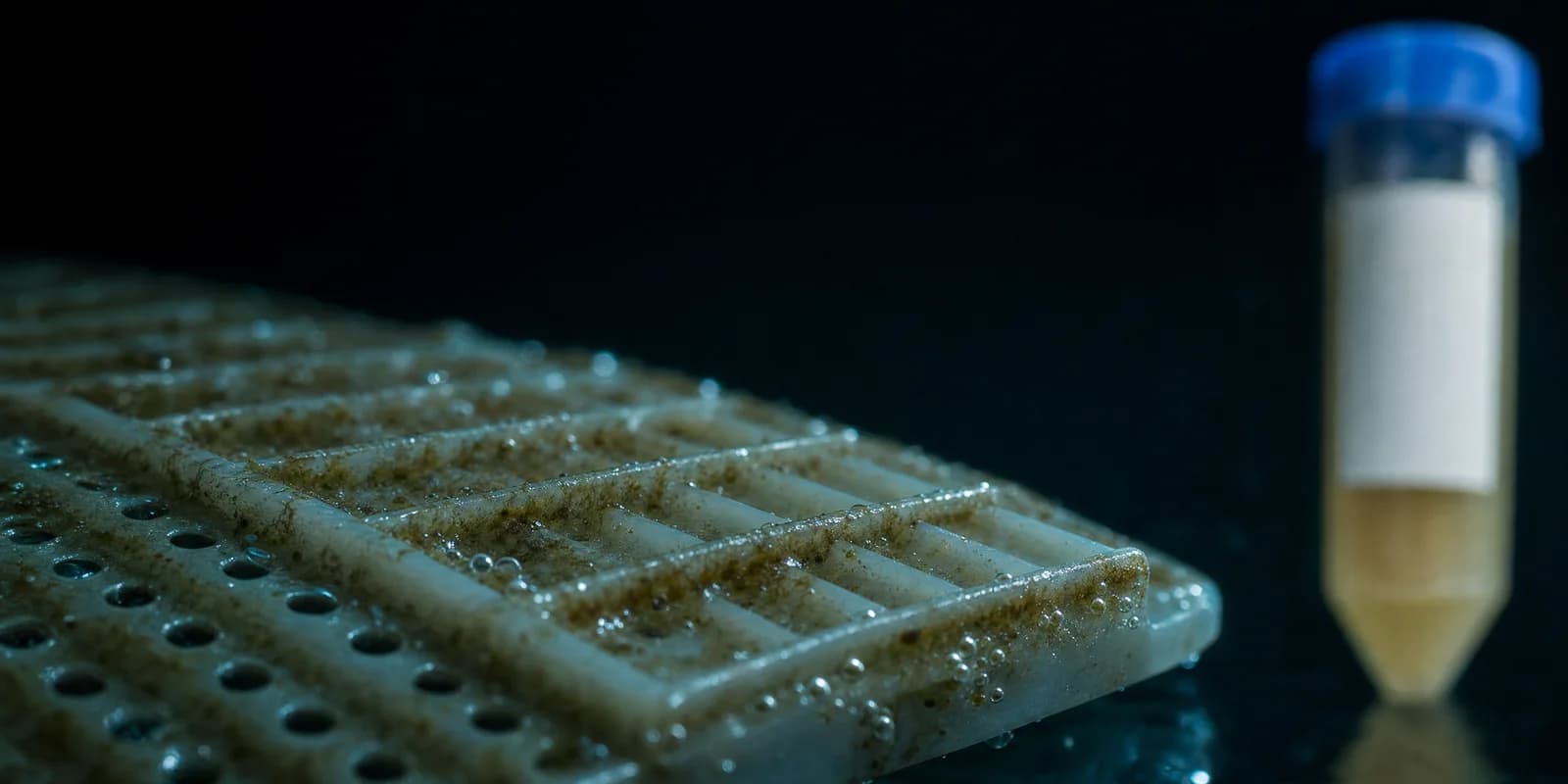
How a dosed WaterDoctor SND culture is shown to work
A farm shows a dosed WaterDoctor SND culture working on four readings, because no document read gives a measurement of persistence or the share of nitrogen removal it supplies.
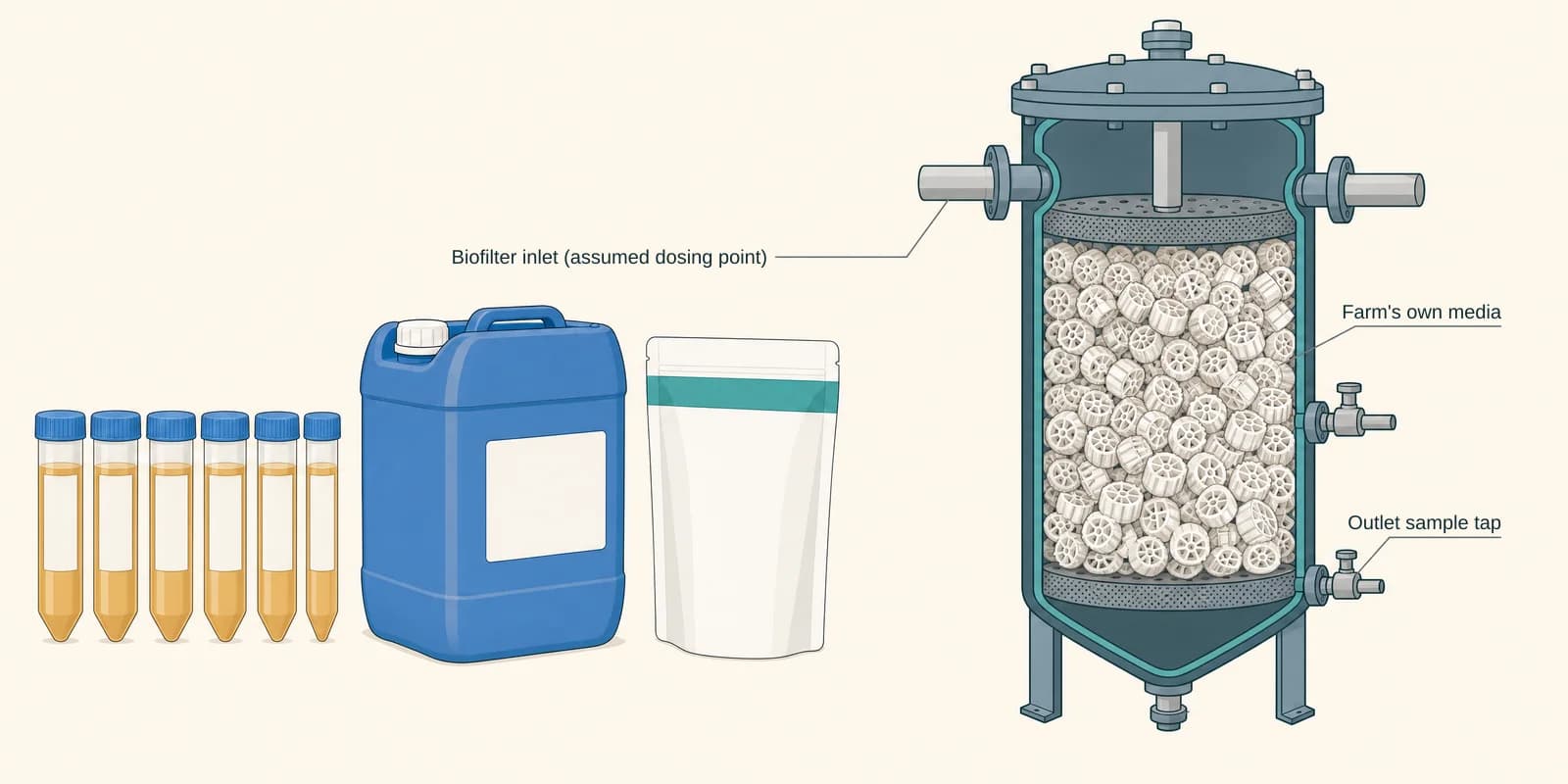
WaterDoctor SND cultures in an existing RAS biofilter
Reference design: introducing WaterDoctor's SND cultures into an existing freshwater RAS biofilter would be accepted on a baseline and, where trains allow, a control the farm measures, not on a dose or a maker's percentage.
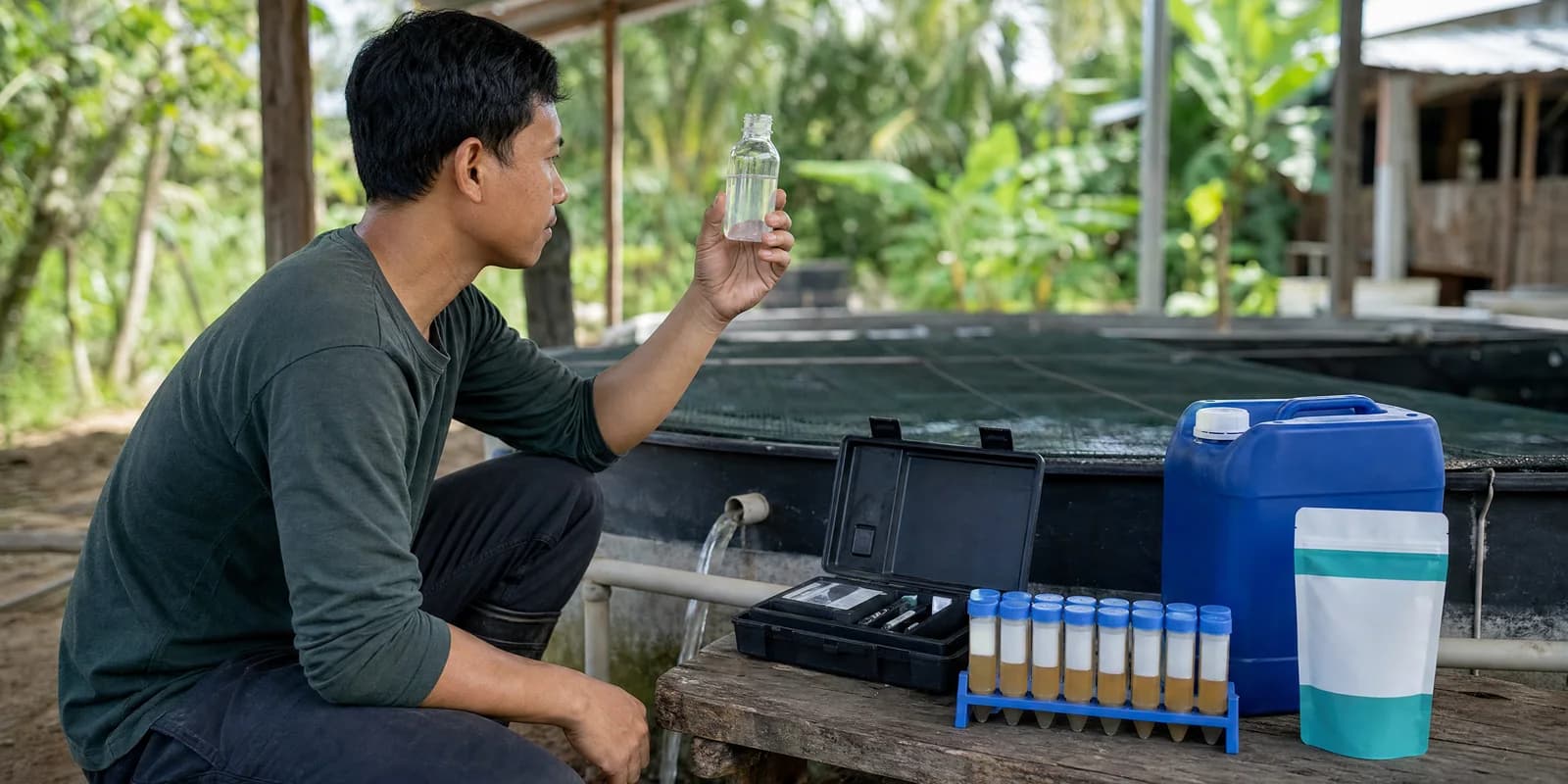
How to read a quote for WaterDoctor SND cultures
WaterDoctor SND cultures for aquaculture water: quotes compare only when each form's concentration unit and dose basis are written. A litre, kilo or tube is not a unit of treatment.
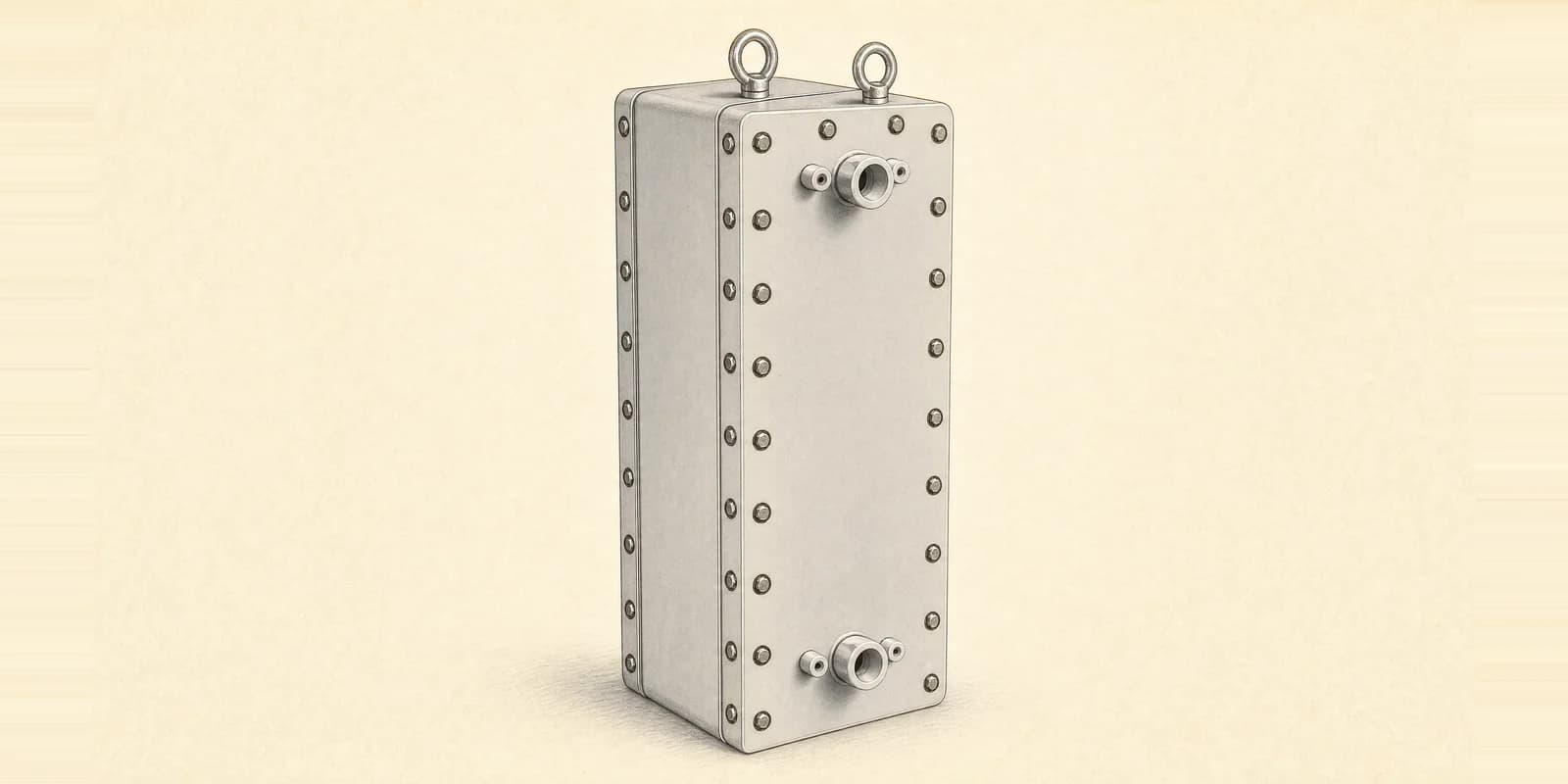
SnowPure Electropure EDI for boiler makeup polishing
Reference design: three SnowPure EXL-850 modules behind 2-pass RO would carry an illustrative 24 m³/h at a 5.9% margin, though no EXL sheet ties a design flow to a feed column; clean permeate can leave little concentrate headroom.
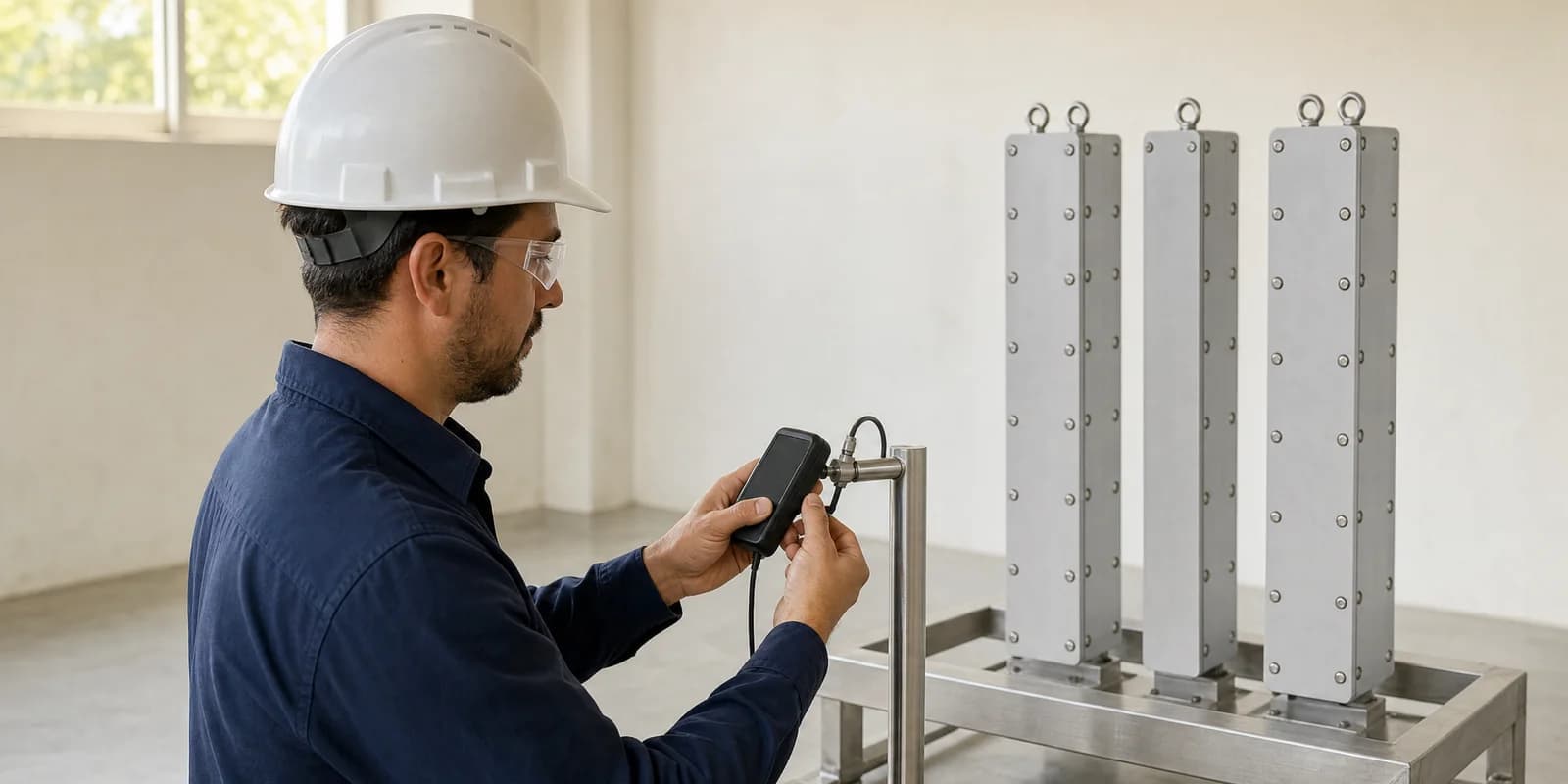
Selecting SnowPure Electropure EDI EXL modules
SnowPure Electropure EXL EDI modules polishing RO permeate: a design flow fits only on the RO route and feed it assumes. The sheets print a flow per route beside a feed table, without saying which feed; measure the permeate before sizing.
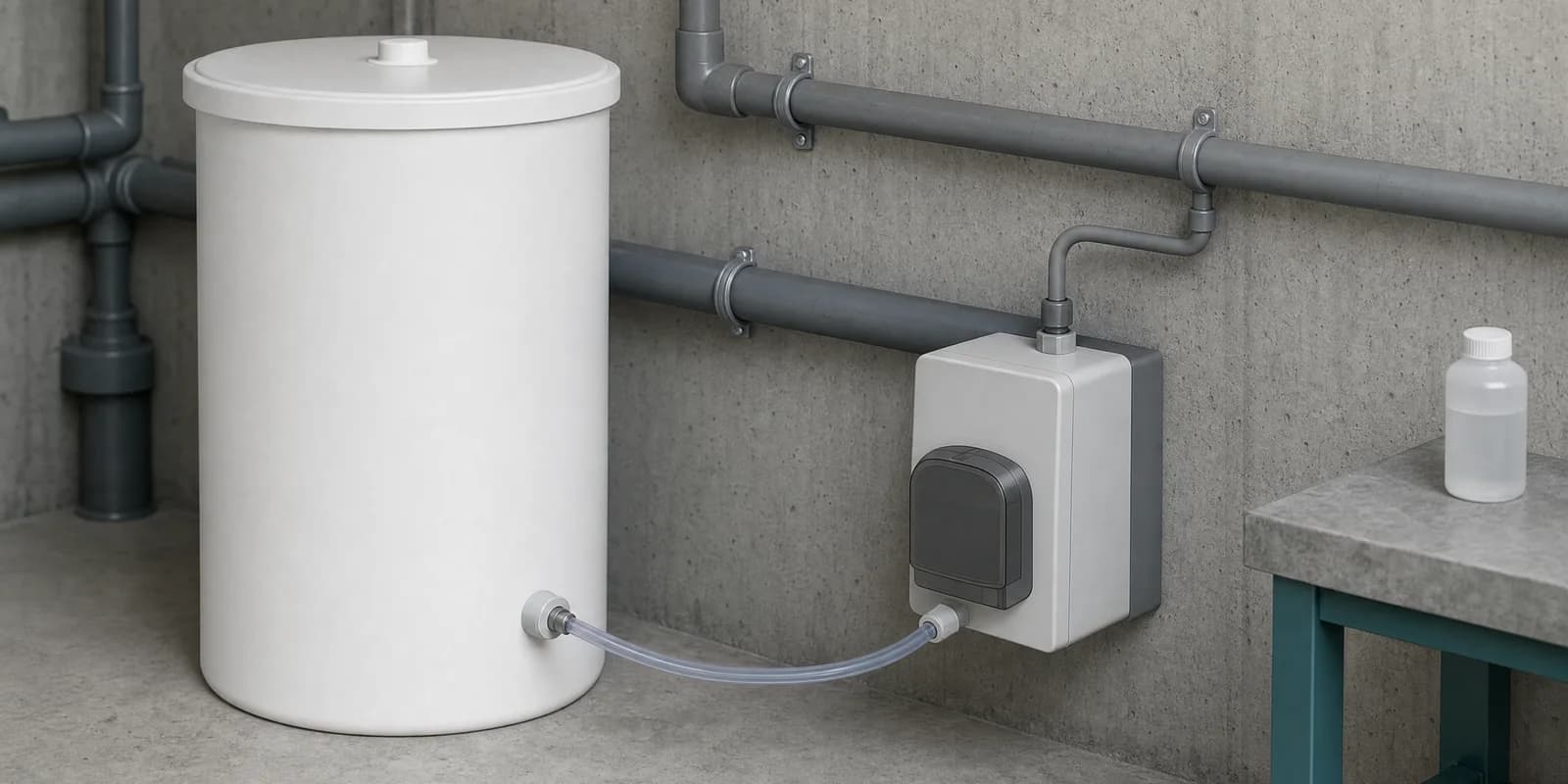
Blue-White FLEXFLO A-100NV pool reference design
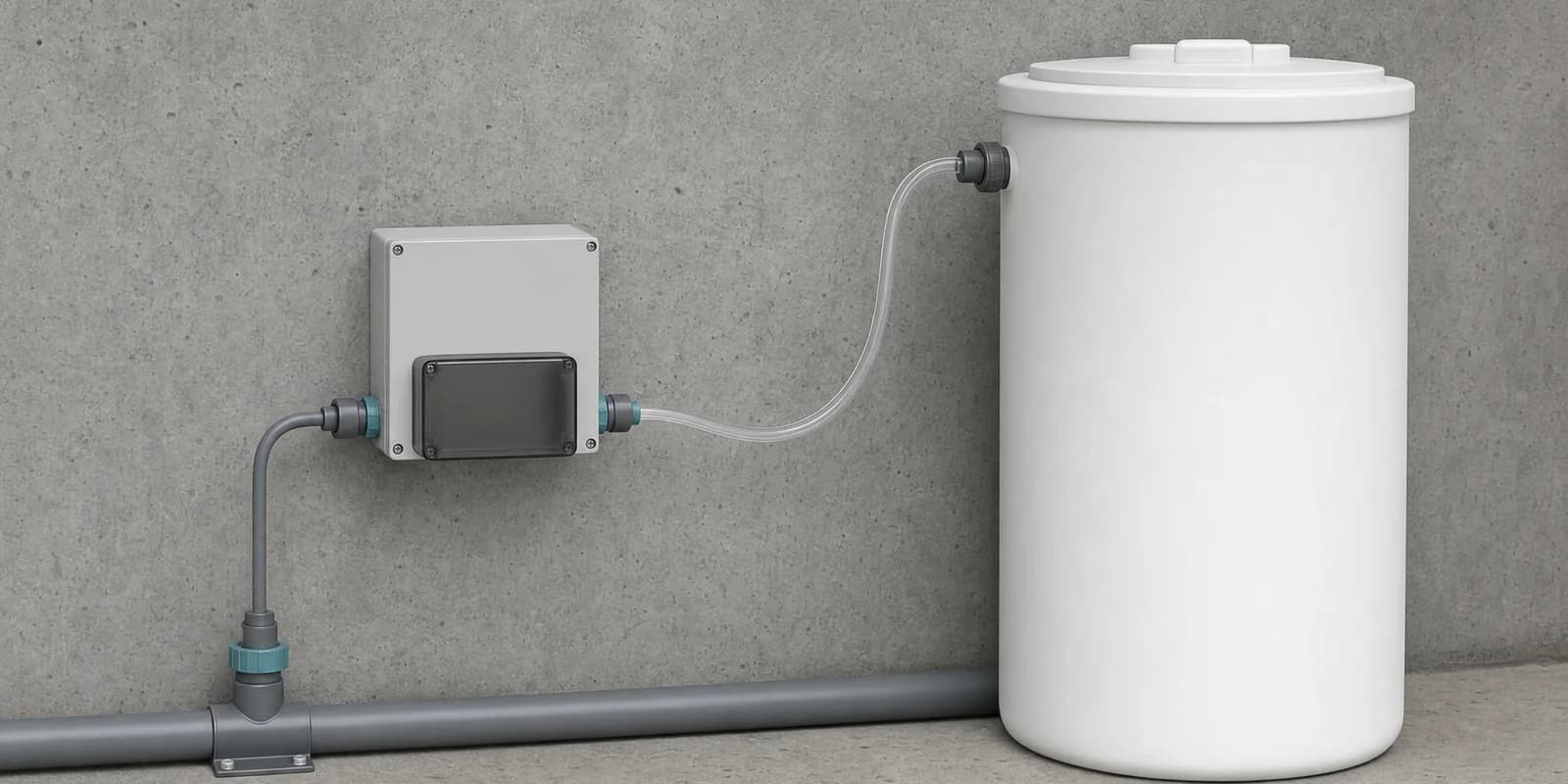
Reference design: a Blue-White FLEXFLO A-100NV pump on sodium hypochlorite for one hypothetical Singapore pool. Tube floor and ceiling decide fit at 2.78 mL/min; with no flow sensor, its alarm contact would report a leak, not lost feed.
Choosing the Blue-White FLEXFLO A-100N tube first
Blue-White FLEXFLO A-100N for hypochlorite dosing: the tube decides fit. Its flow range at its RPM must cover the site's lowest and peak demand, and its ratings must clear the pump-tube pressure and the chemical.
What Blue-White's FLEXFLO A-100N vapor-lock claim proves
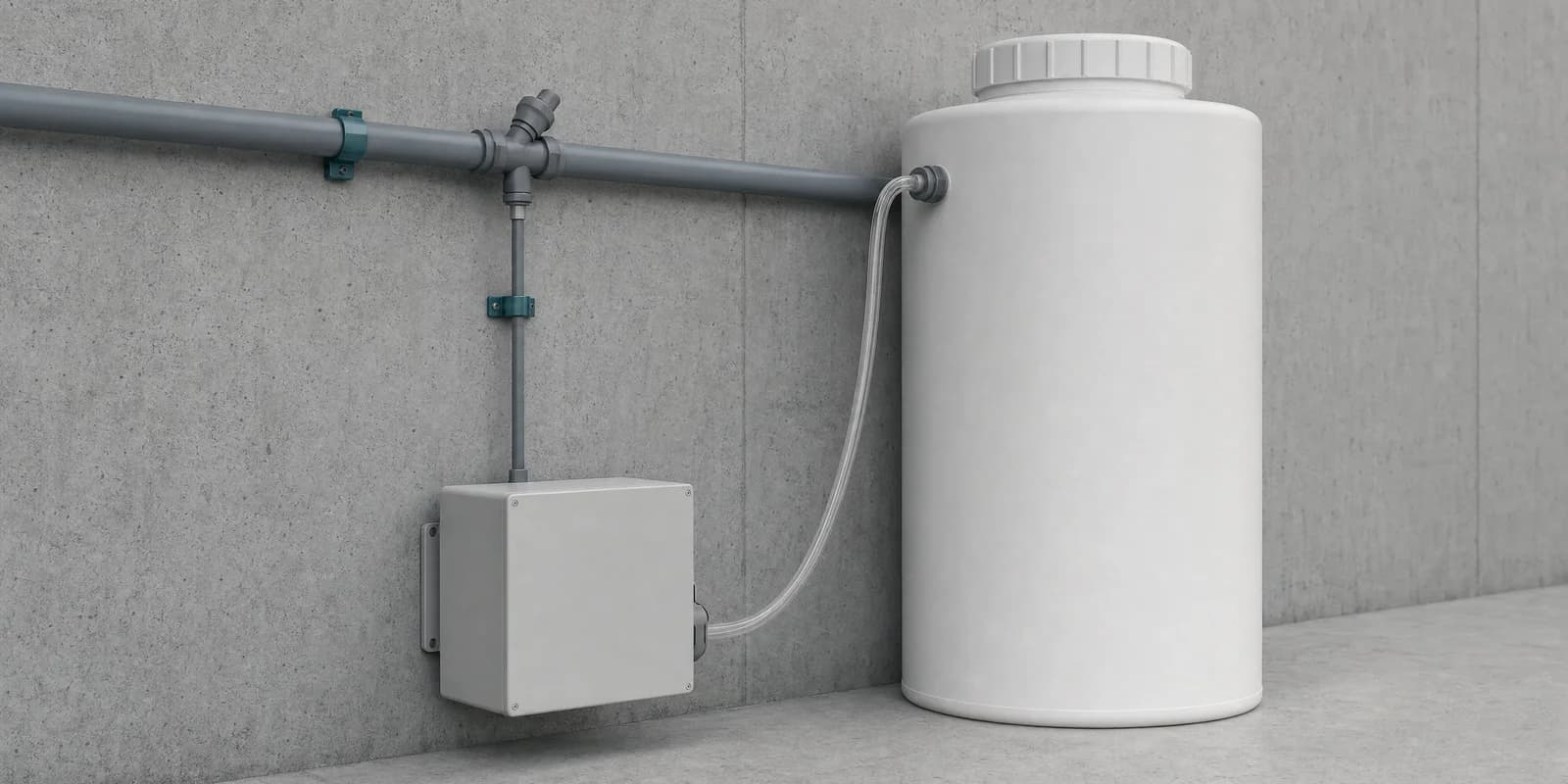
Blue-White says its FLEXFLO A-100N cannot vapor lock or lose prime. On this article's reading that holds for the pump head only; in sodium hypochlorite dosing, flow still follows the suction line.
How the EcoWater ECR3702 trades salt for capacity
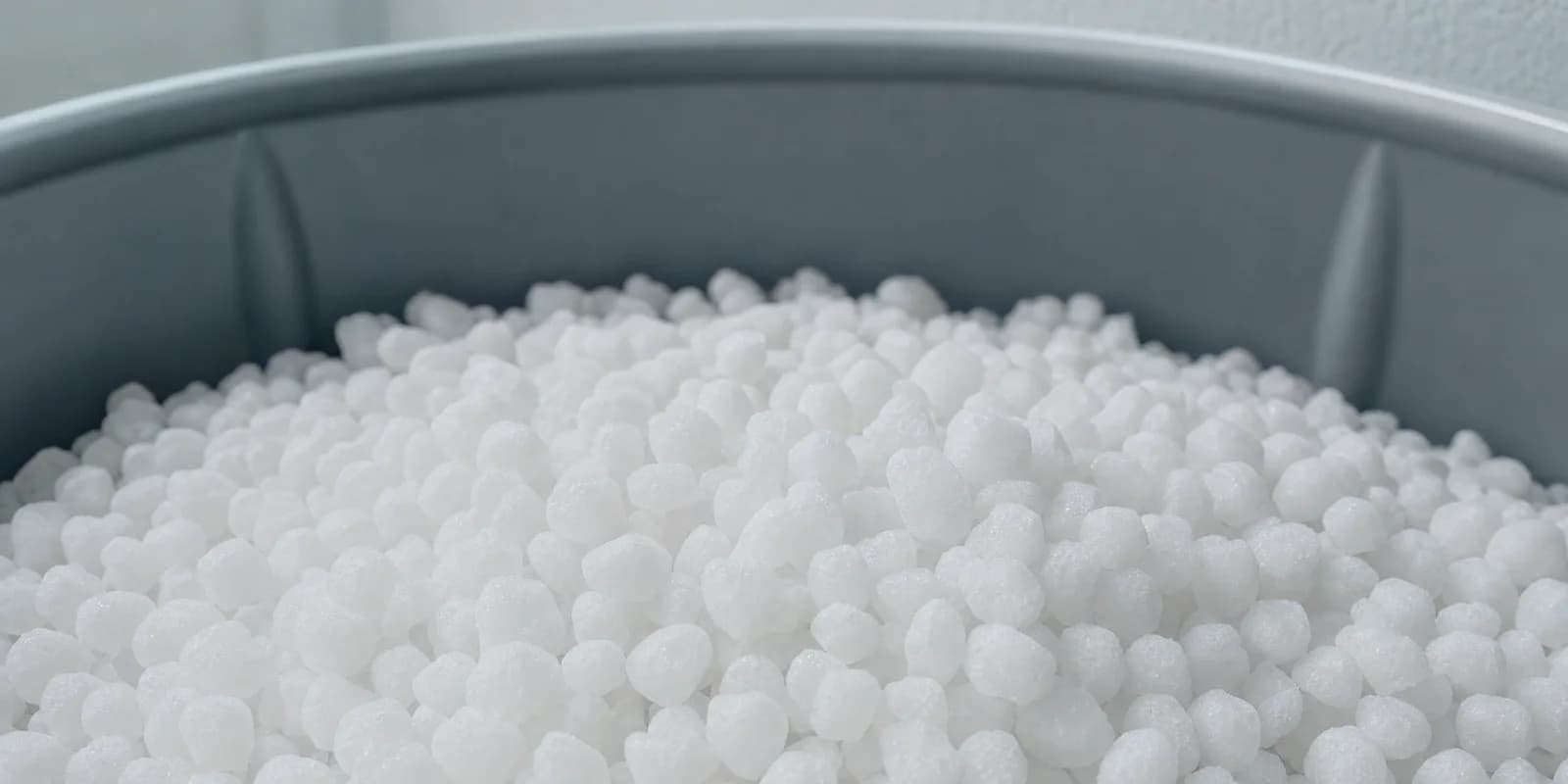
For household softening, the EcoWater ECR3702R70's 5,310 grains per pound holds only at its smallest salt dose and the service flow; capacity at its largest printed dose is 2.17 times that at the smallest, for 4.13 times the salt.
EcoWater ECR3702 selection guide for a household softener
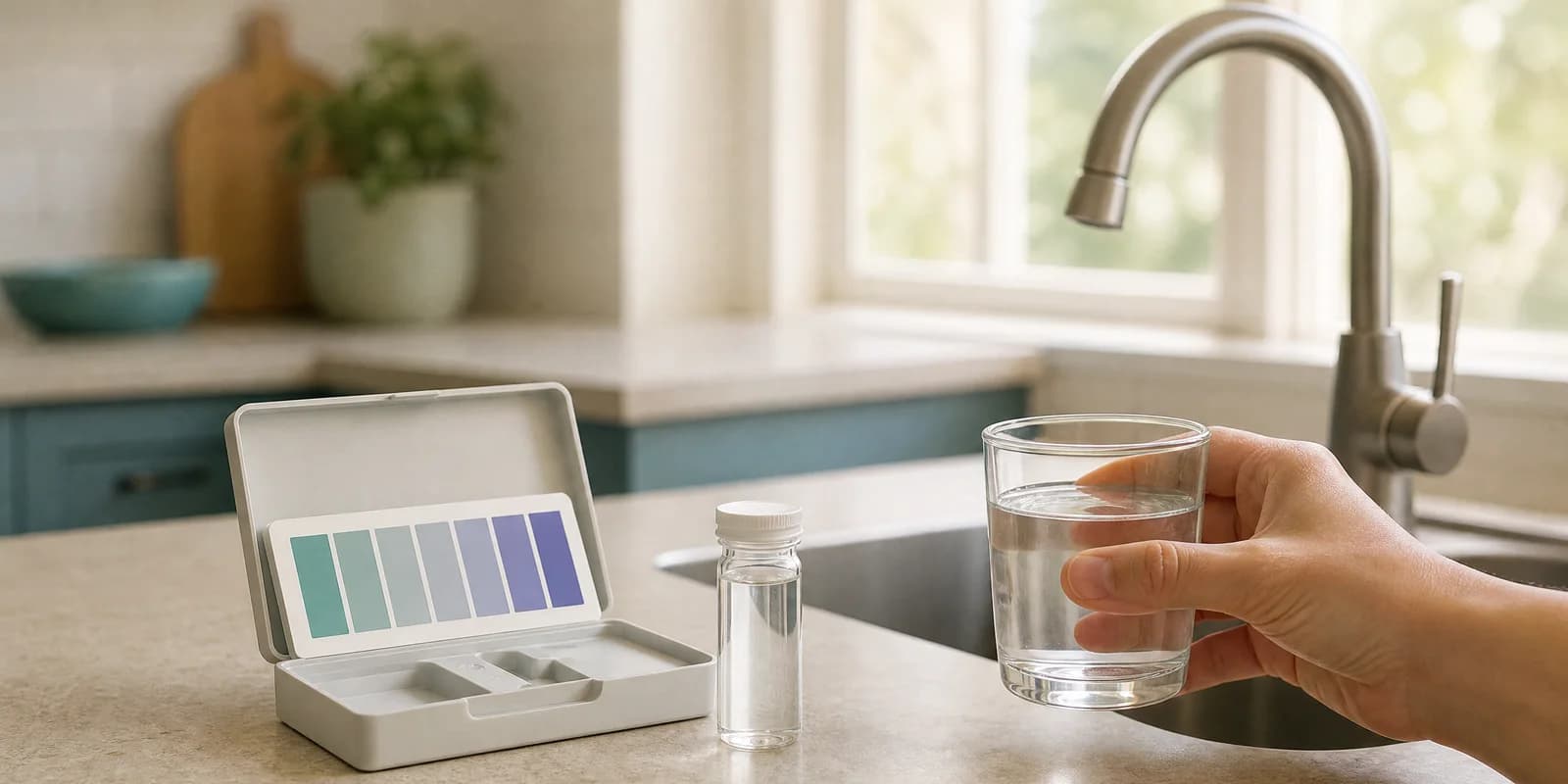
The EcoWater ECR3702 can suit one house when hardness measured at the tap exceeds the guide's 7 gpg screening line, peak flow stays within its printed 11 to 12 gpm rating and the maker confirms a supply for local mains.
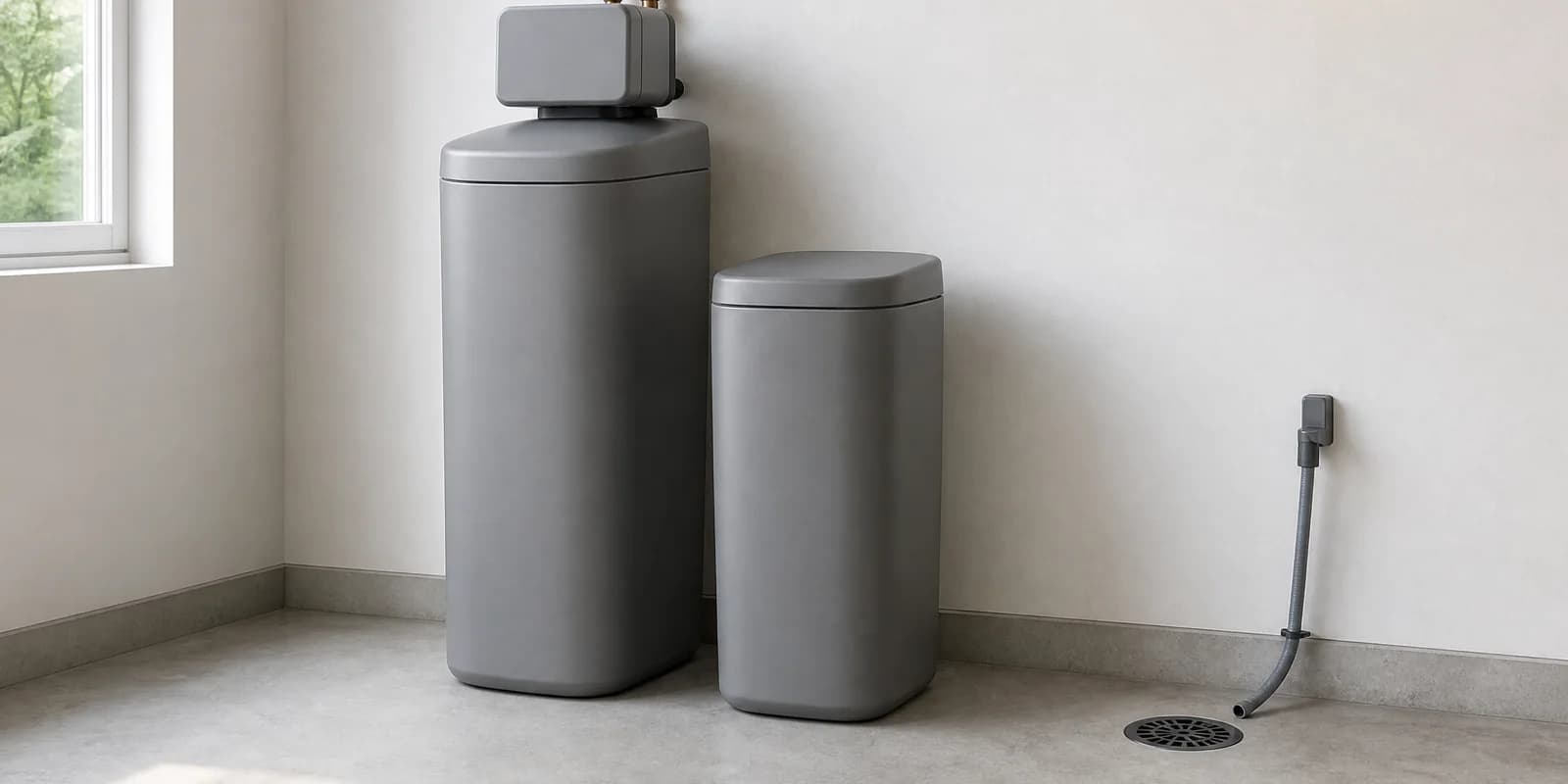
EcoWater ECR3702 softener reference design for one house
Reference design: one EcoWater ECR3702R30 softener for one house on a private supply, chosen by hardness load against capacity per recharge, not by flow; provisional until EcoWater states a supply for the order.
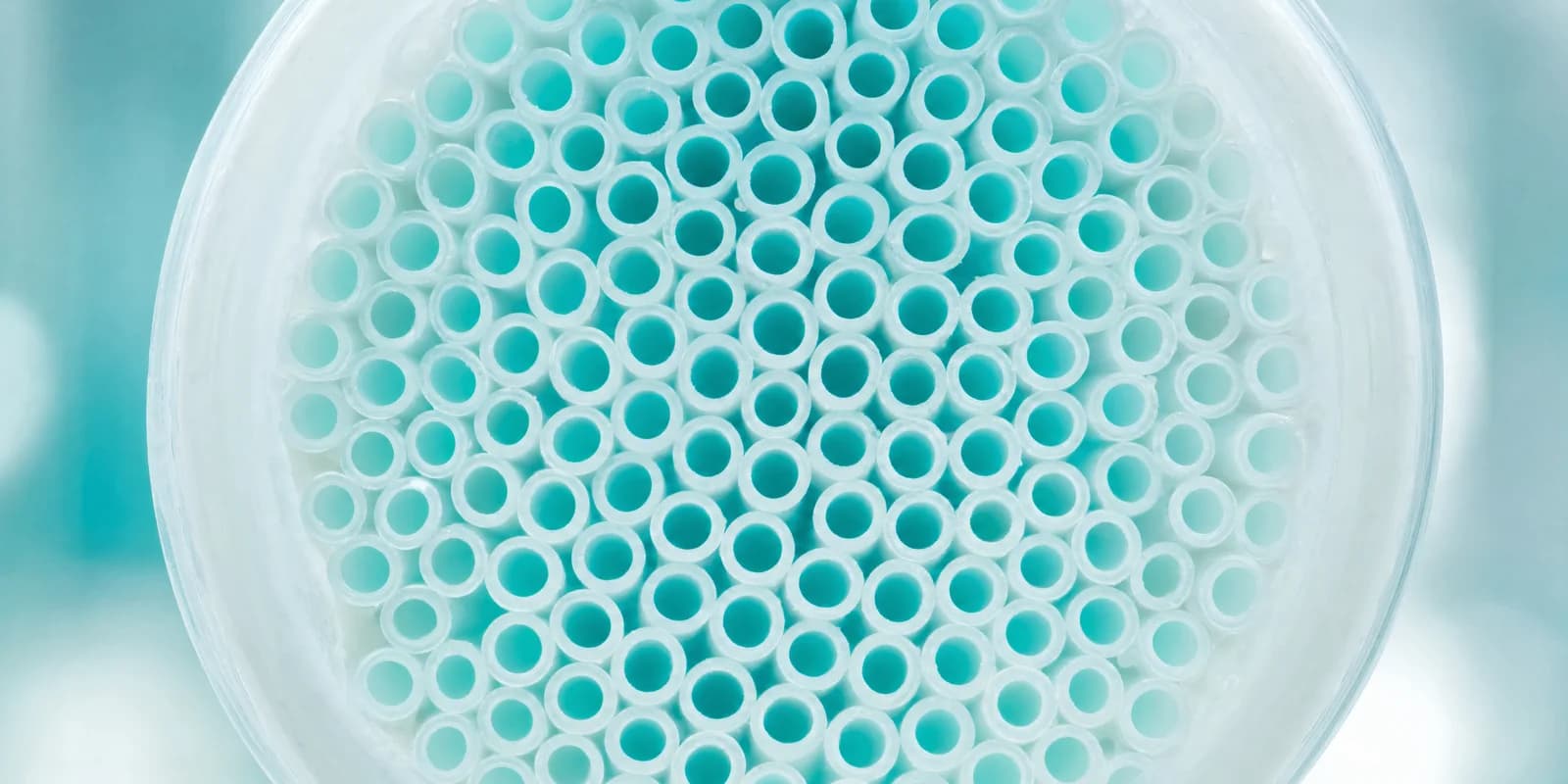
What a 0.01 µm rating means for Litree LH modules
Litree LH inside-out UF modules print a 0.01 µm pore, but the US EPA's rule credits removal from challenge and integrity tests, and none was found for an LH module in the documents read.
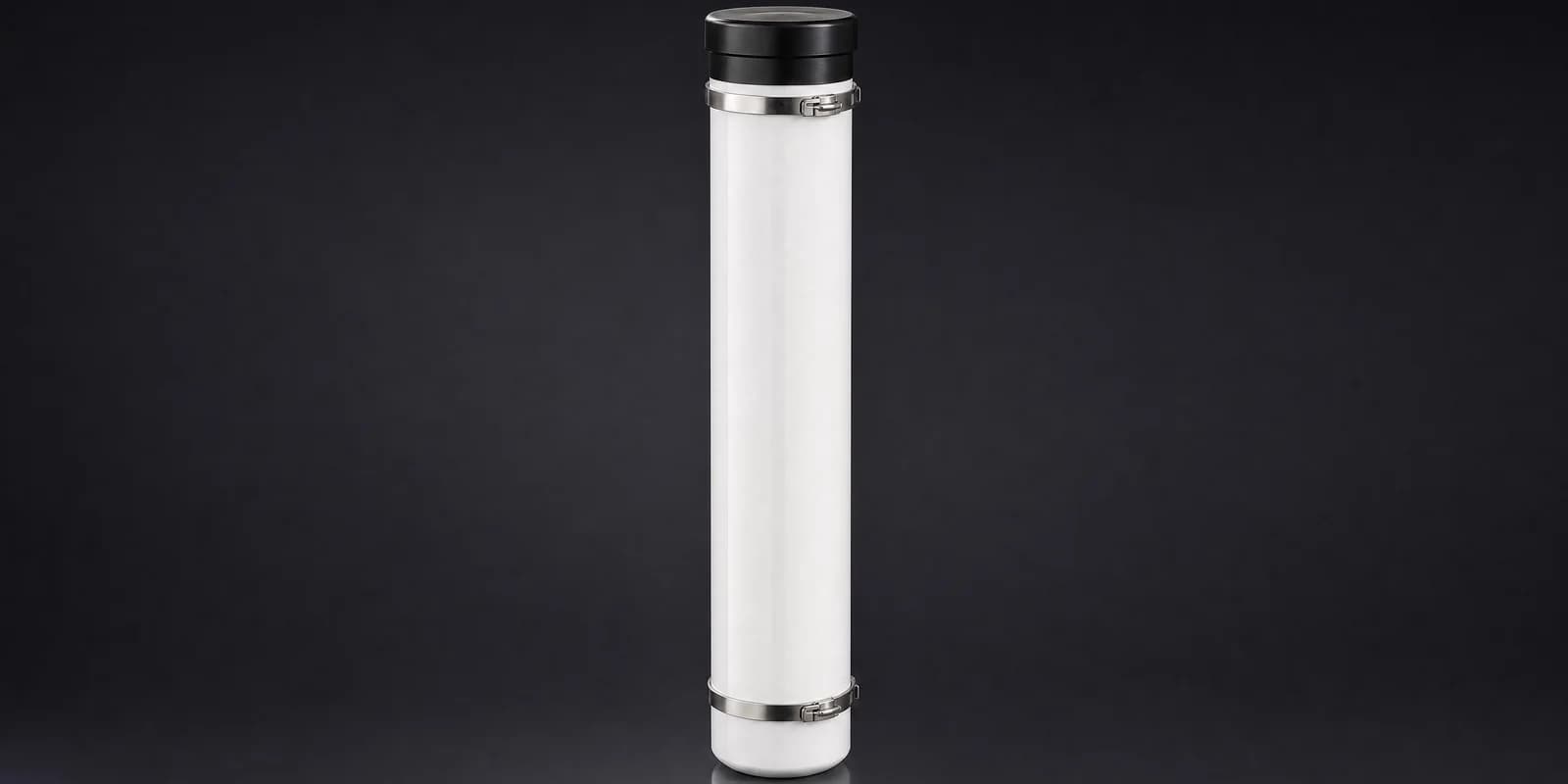
Litree LH UF modules in an RO pretreatment rack
Reference design: Litree LH3-1060-V UF modules ahead of RO at an illustrative 20 m³/h would need five to ten modules, one out for backwash, depending on what the printed range means; its operating envelope is not in the pages read.
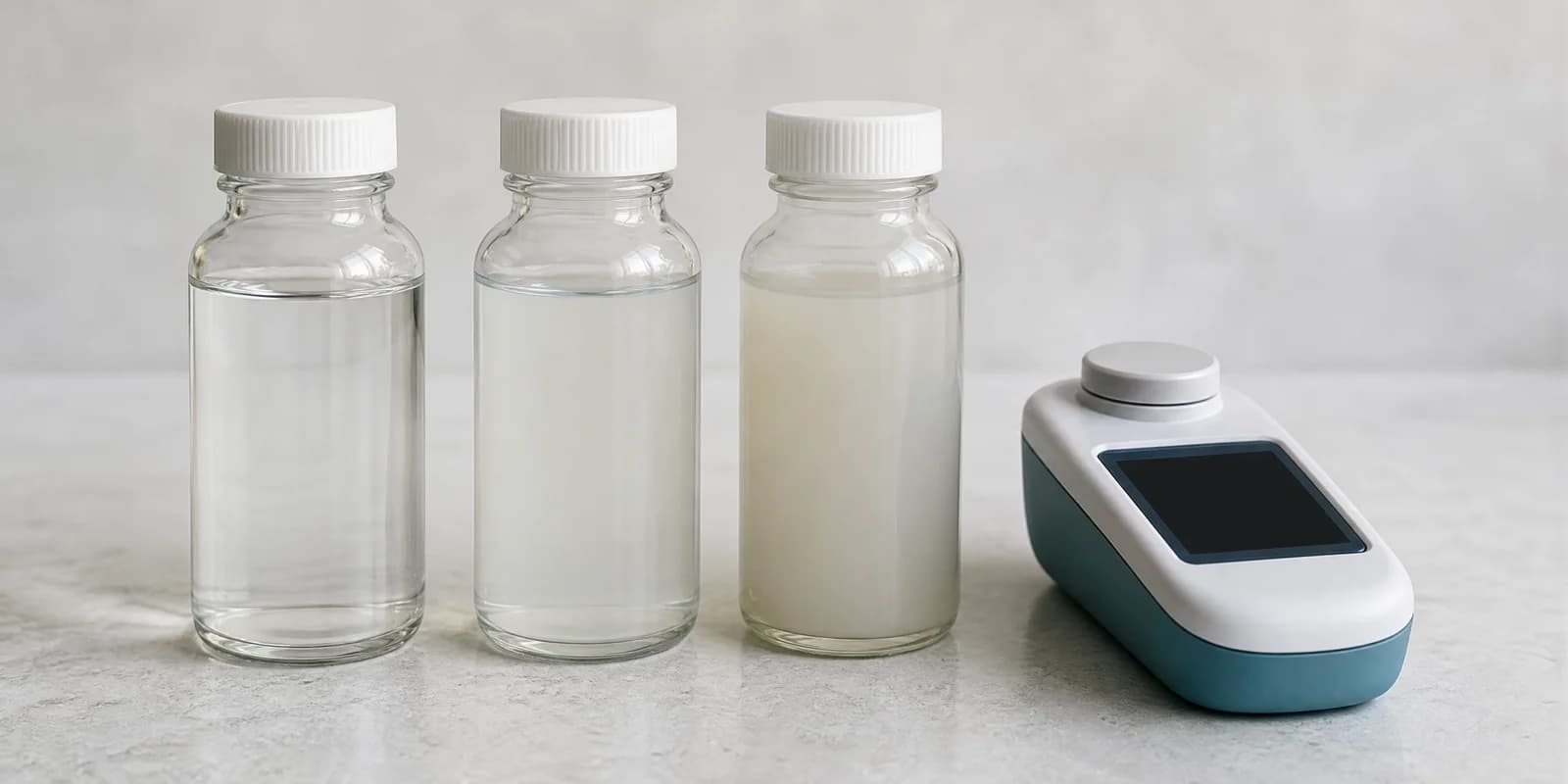
Screening a feed for Litree LH UF modules
Litree LH UF modules for a pressure UF stage: feed turbidity, temperature and pH fit only against limits Litree confirms in writing; the archived pages read print none. A seller's 12-module figures only screen.
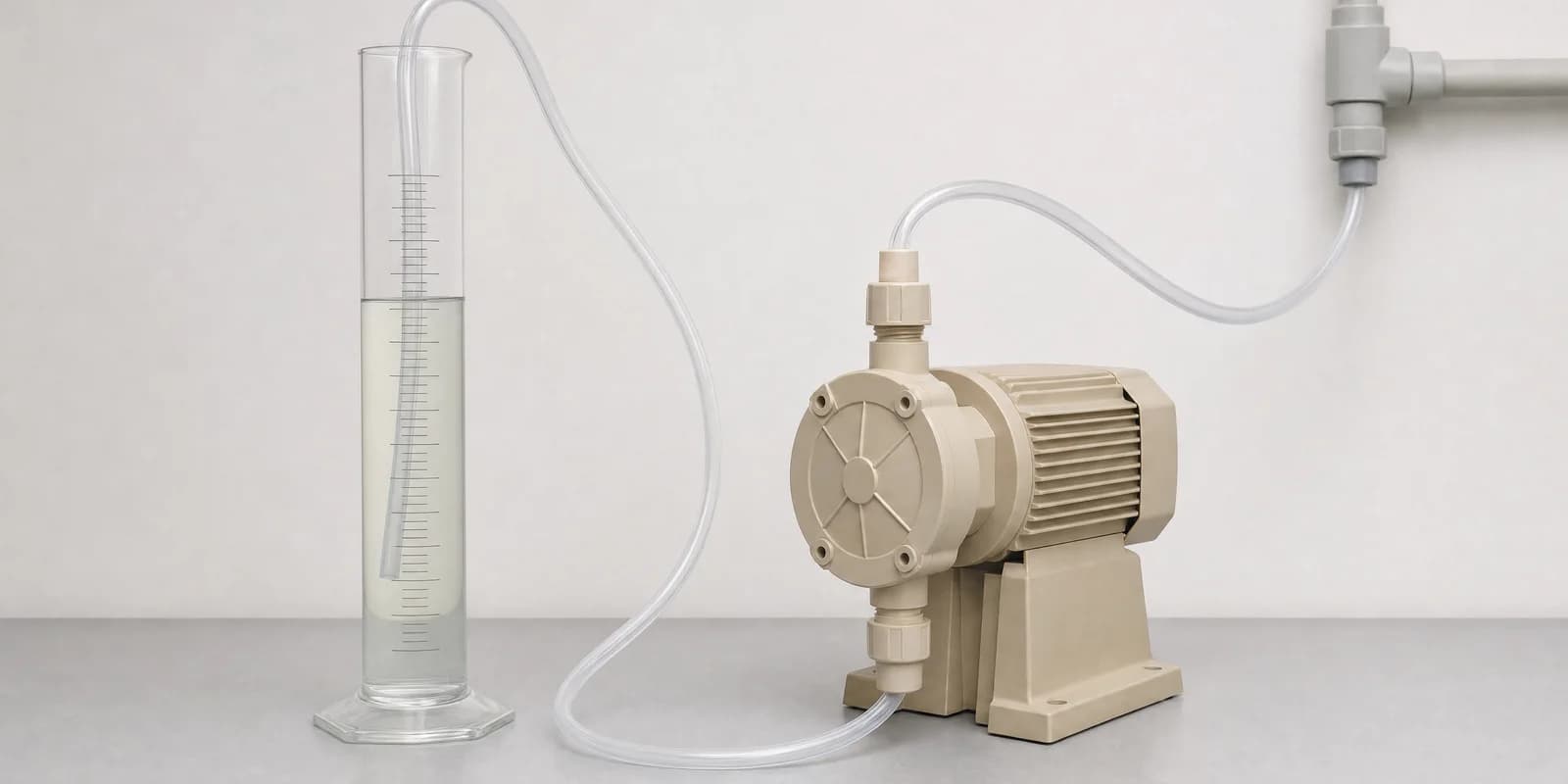
Reading the ProMinent Sigma X accuracy figures
For hypochlorite dosing with a ProMinent Sigma X S1Cb, the web precision statement and the manual's Precision table differ in figure and conditions. Calibration at operating pressure shows volume per stroke, not dose.
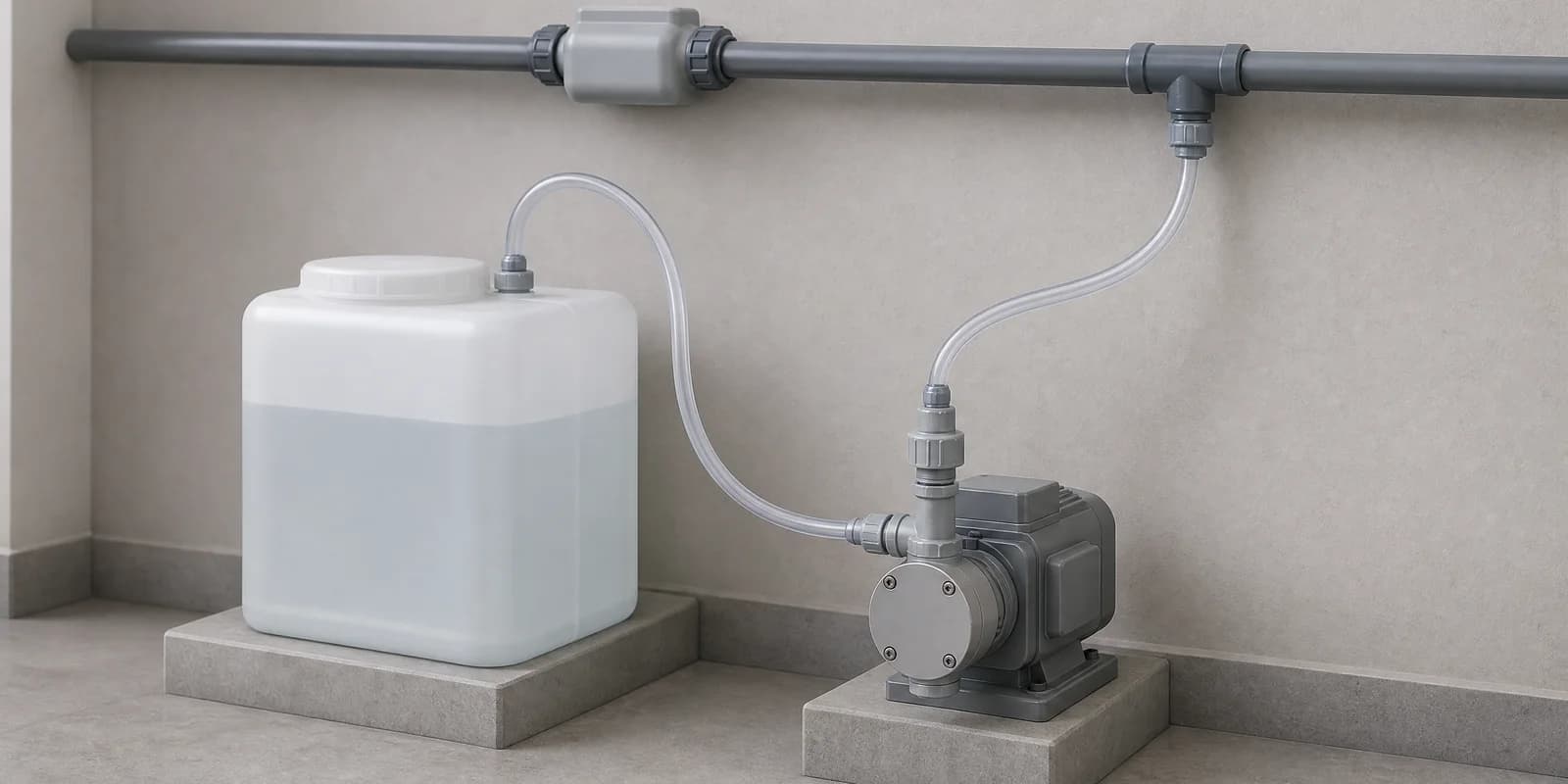
ProMinent Sigma X hypochlorite dosing reference design
Reference design: one ProMinent Sigma X S1Cb in Contact mode could feed hypochlorite at an illustrative 8.0 L/h; fit turns on line pressure, stroke length and a gas answer no ProMinent document read gives; the pump checks no chlorine dose.
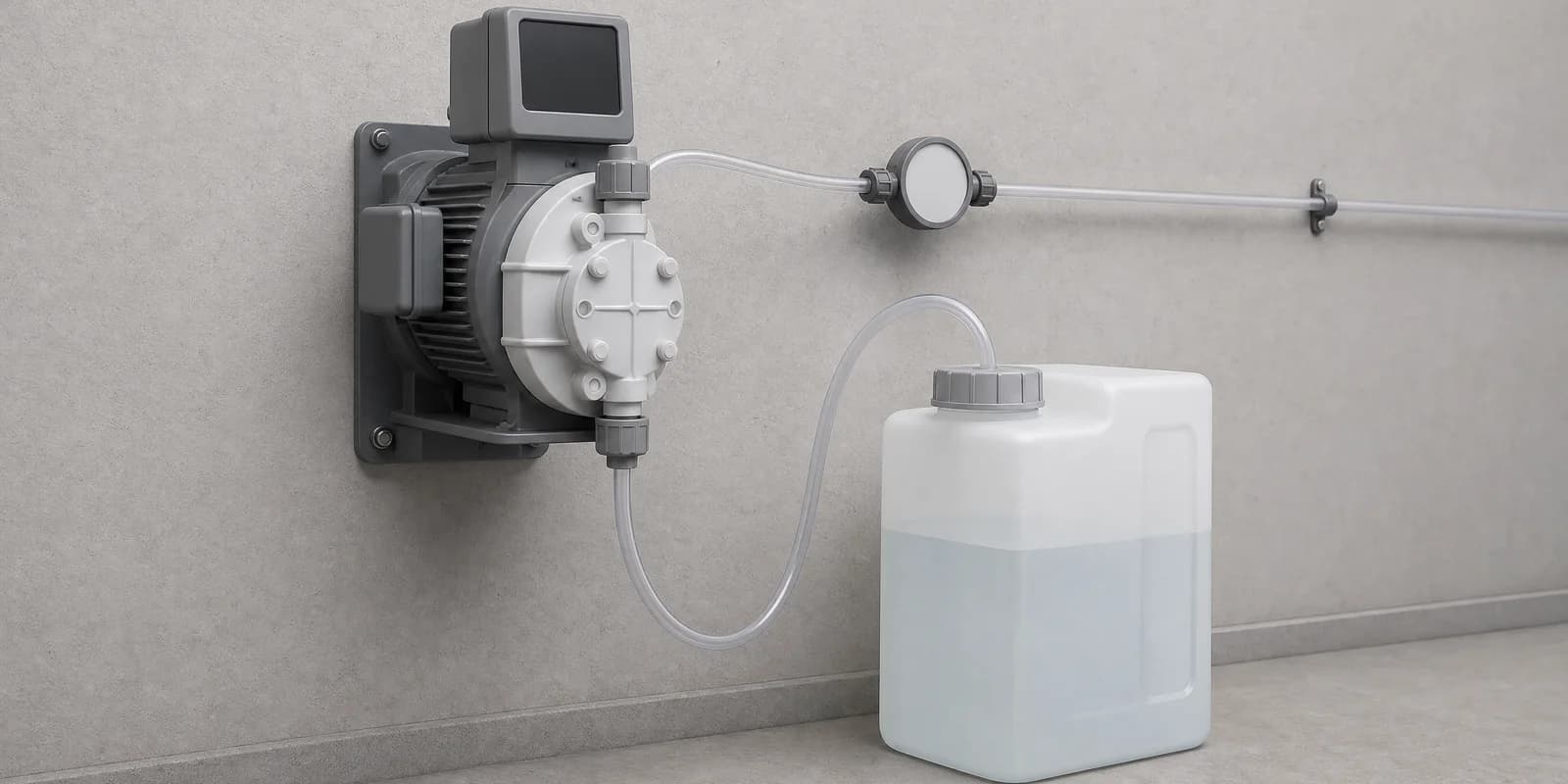
Selecting a ProMinent Sigma X from its data table
ProMinent Sigma X hypochlorite dosing turns on one figure: the table's l/h is a minimum capacity at maximum back pressure, for water at 20 °C. A row is a candidate if demand is below it and head, pressure and stroke window allow it.
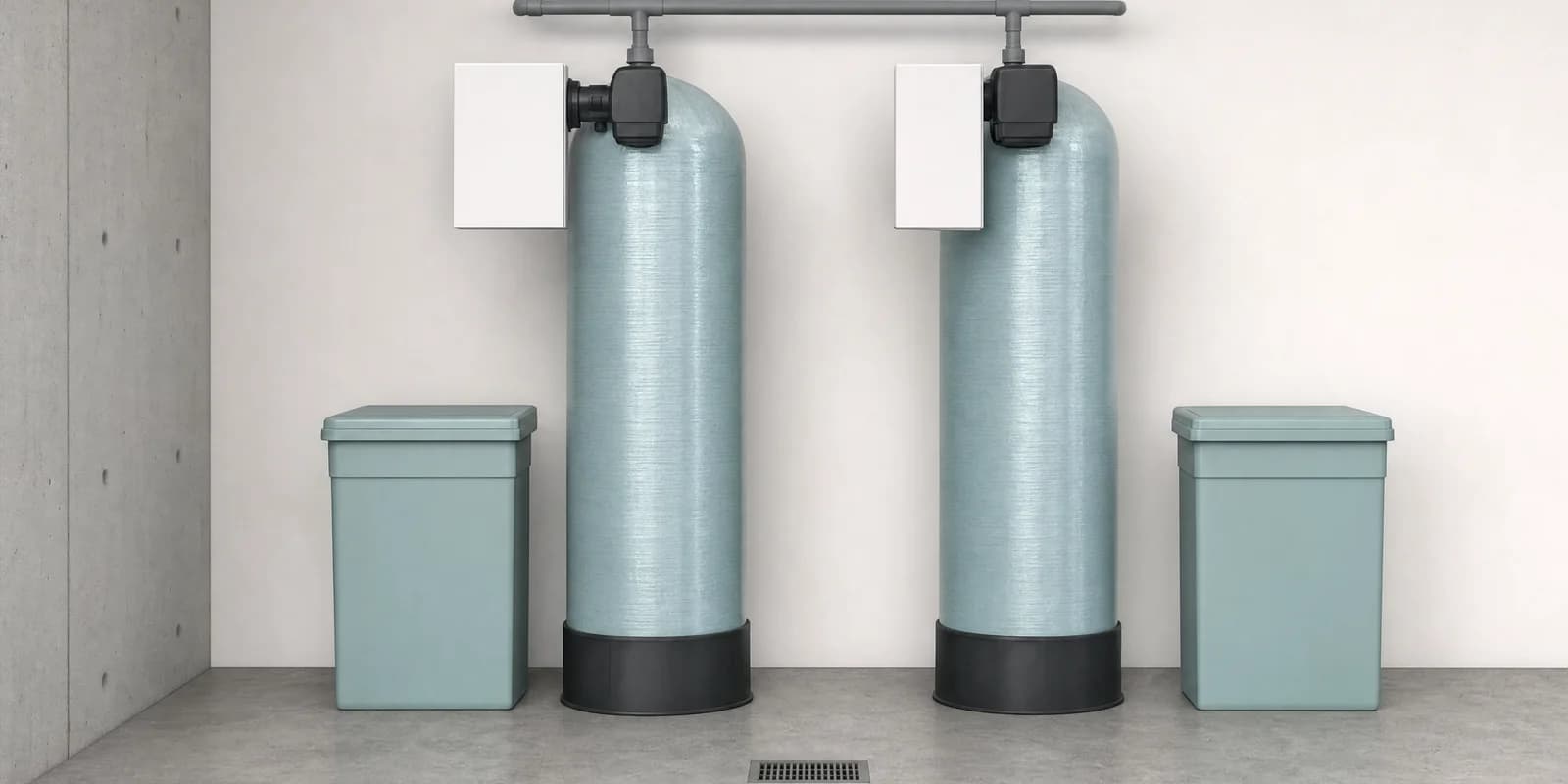
Interlocked Runxin F112A3 softeners for RO pretreatment
Reference design: two interlocked Runxin F112A3 softener valves ahead of an RO unit. One tank's table flow, not the valve's printed 40 m³/h, would set firm capacity; the double-call behaviour stays open until the maker answers.
How the Runxin F112A3 valve runs a regeneration
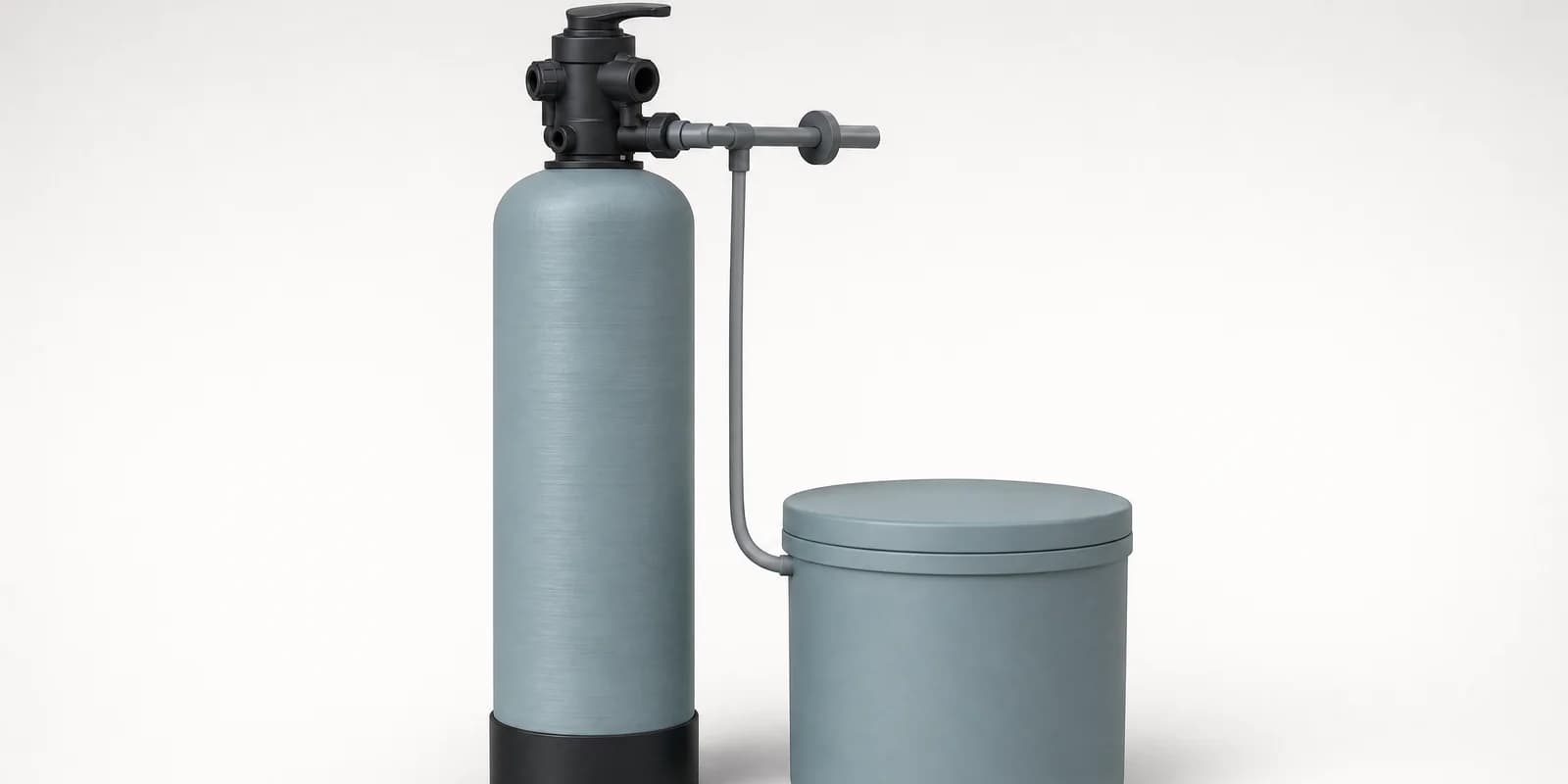
On the Runxin F112A3 the resin softens and the valve sequences; by this article's arithmetic, its default 10-minute fast rinse gives a φ1200 tank 1.92 bed volumes, below the manual's 3 to 6, at the maker's tested 0.3 MPa.
Sizing a Runxin multi-port valve beyond its flow rating
The Runxin F112A3 softener valve prints 40 m³/h, but for RO pretreatment this guide sizes to the tank table's 28.0 t/h at φ1200, a calculation at 25 m/h, once feed limits are met. Hardness, chlorine and inlet pressure come first.
SEKO Kontrol 800 on a cooling tower: a reference design
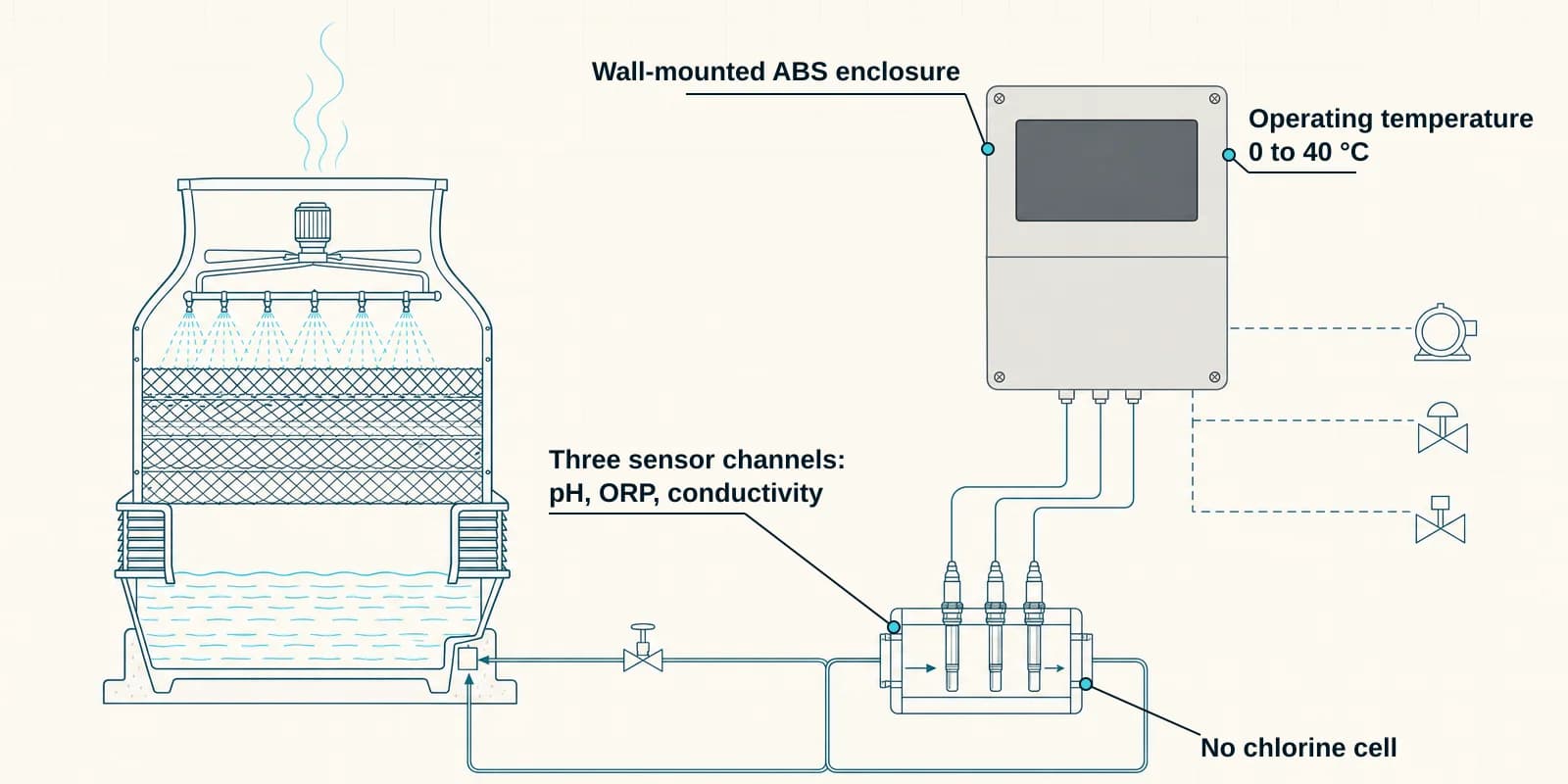
Reference design: one SEKO Kontrol 800 L05 on one cooling tower, designed to three relays, would carry bleed, oxidizer and pH with none spare; fit turns on output assignments not found in the documents retrieved.
What SEKO Kontrol 800 ORP and conductivity readings mean
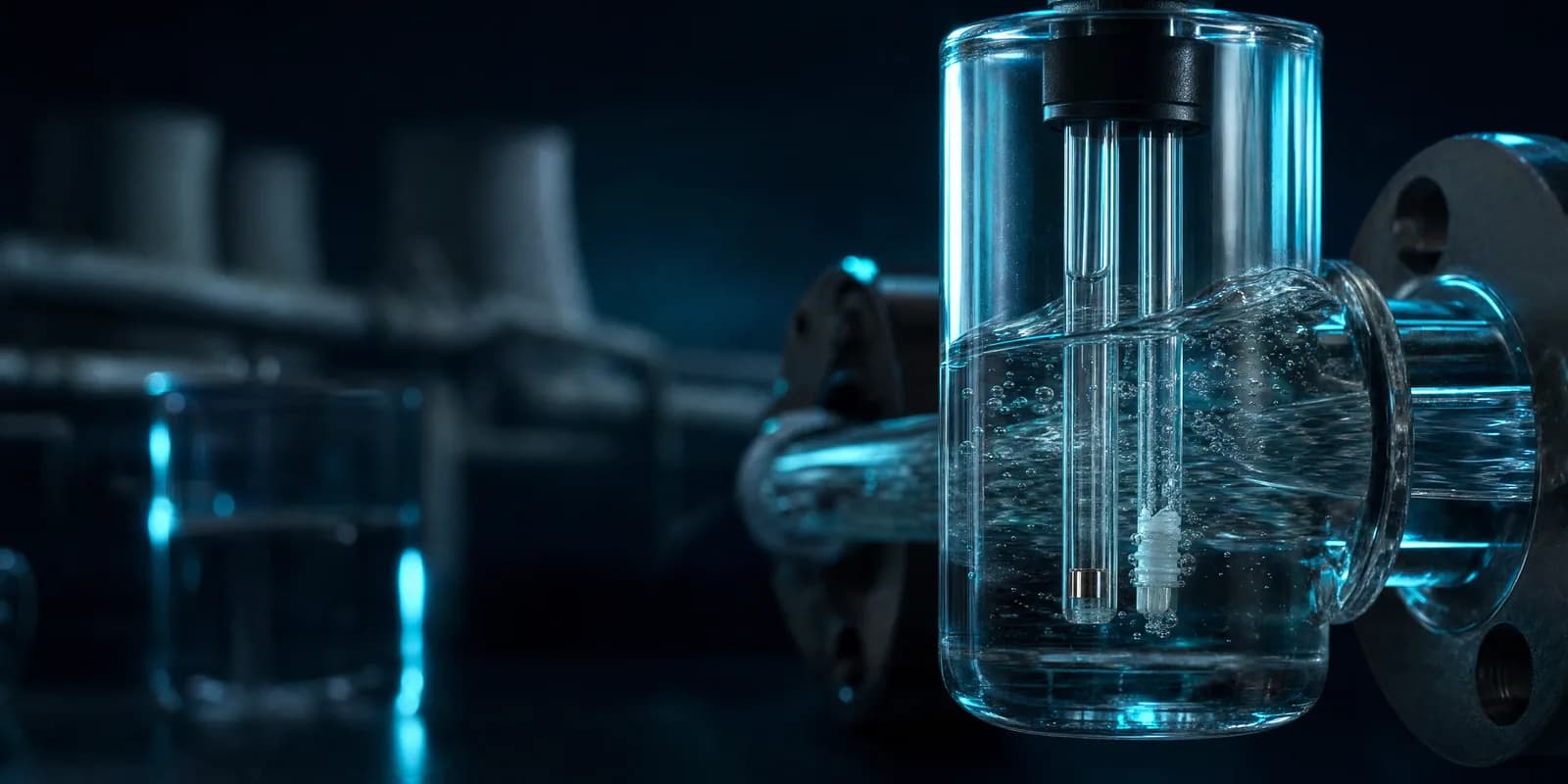
On a cooling tower, the SEKO Kontrol 800 L05 gives ORP in mV, not chlorine or bromine ppm, so an ORP setpoint needs a residual-test correlation on that tower's water.
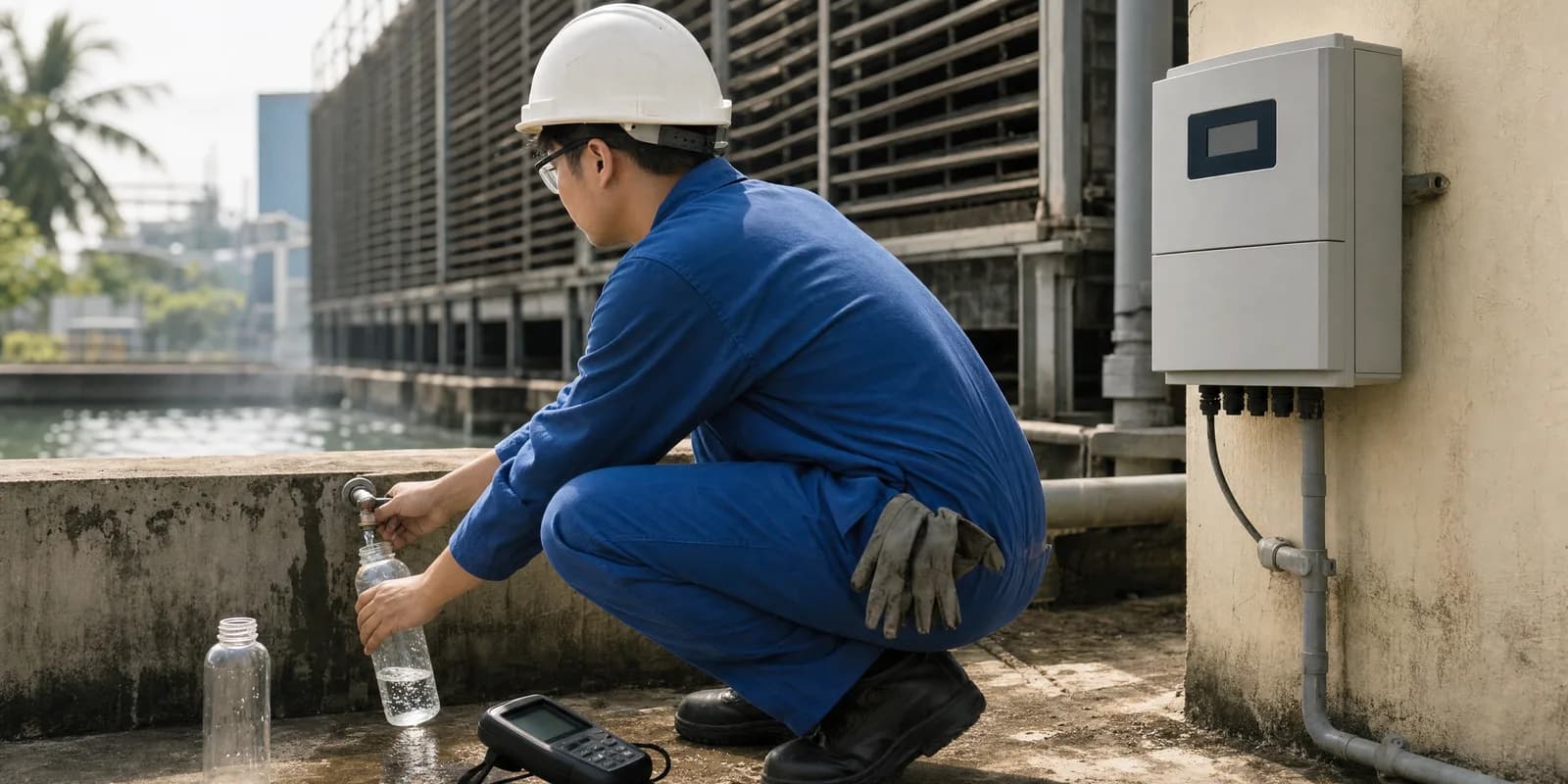
Selecting the SEKO Kontrol 800 for a cooling tower
SEKO's Kontrol 800 K800L05 can fit one cooling tower if SEKO confirms a conductivity set-point relay, the make-up conductivity swing stays inside the cycles band and the relays cover the functions; the printed ±2% states no basis.
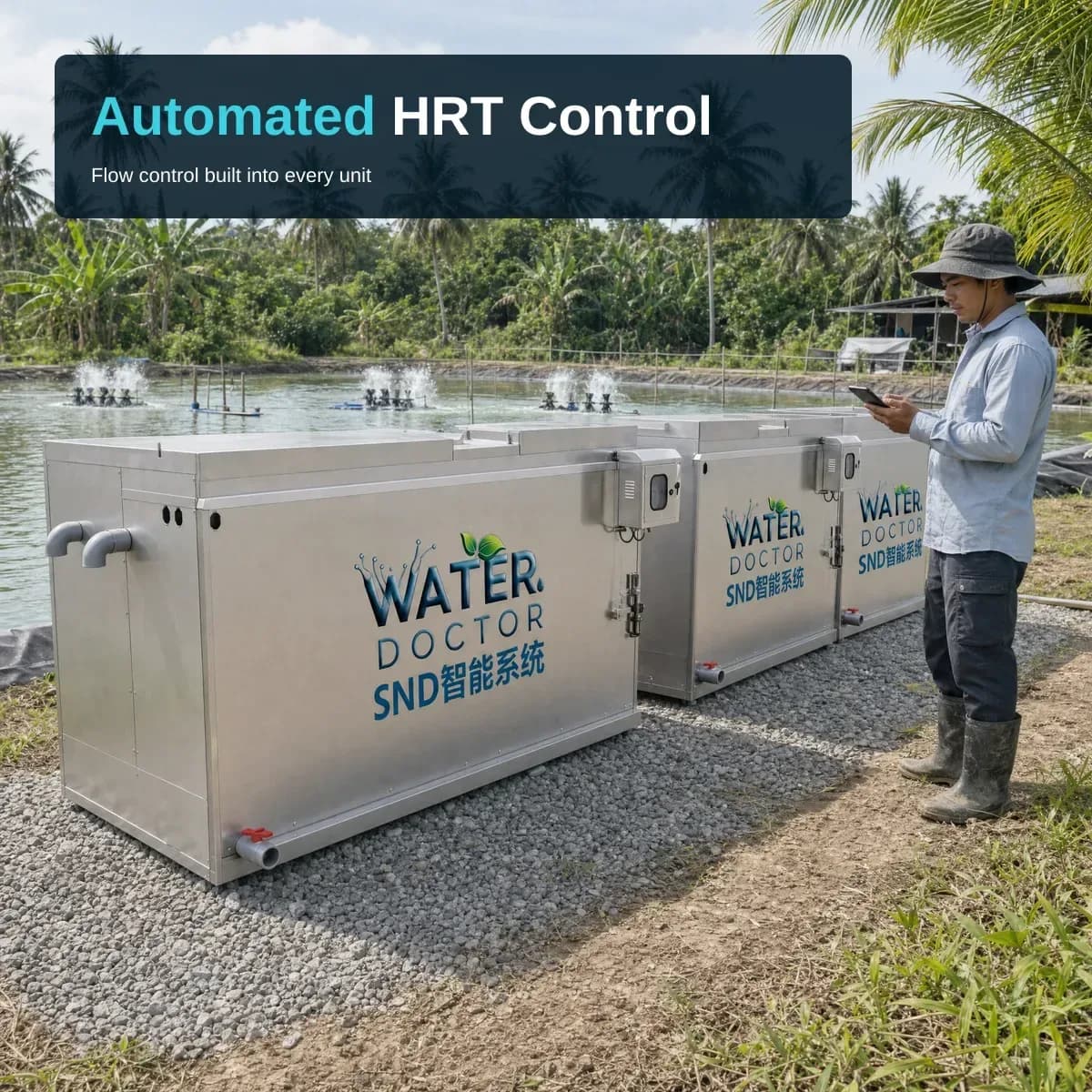
Selecting an SND Container System for aquaculture wastewater
For a WaterDoctor SND Container System on aquaculture wastewater, fit depends on kilograms of nitrogen per day and where it connects; a volume ratio is not a nitrogen capacity.
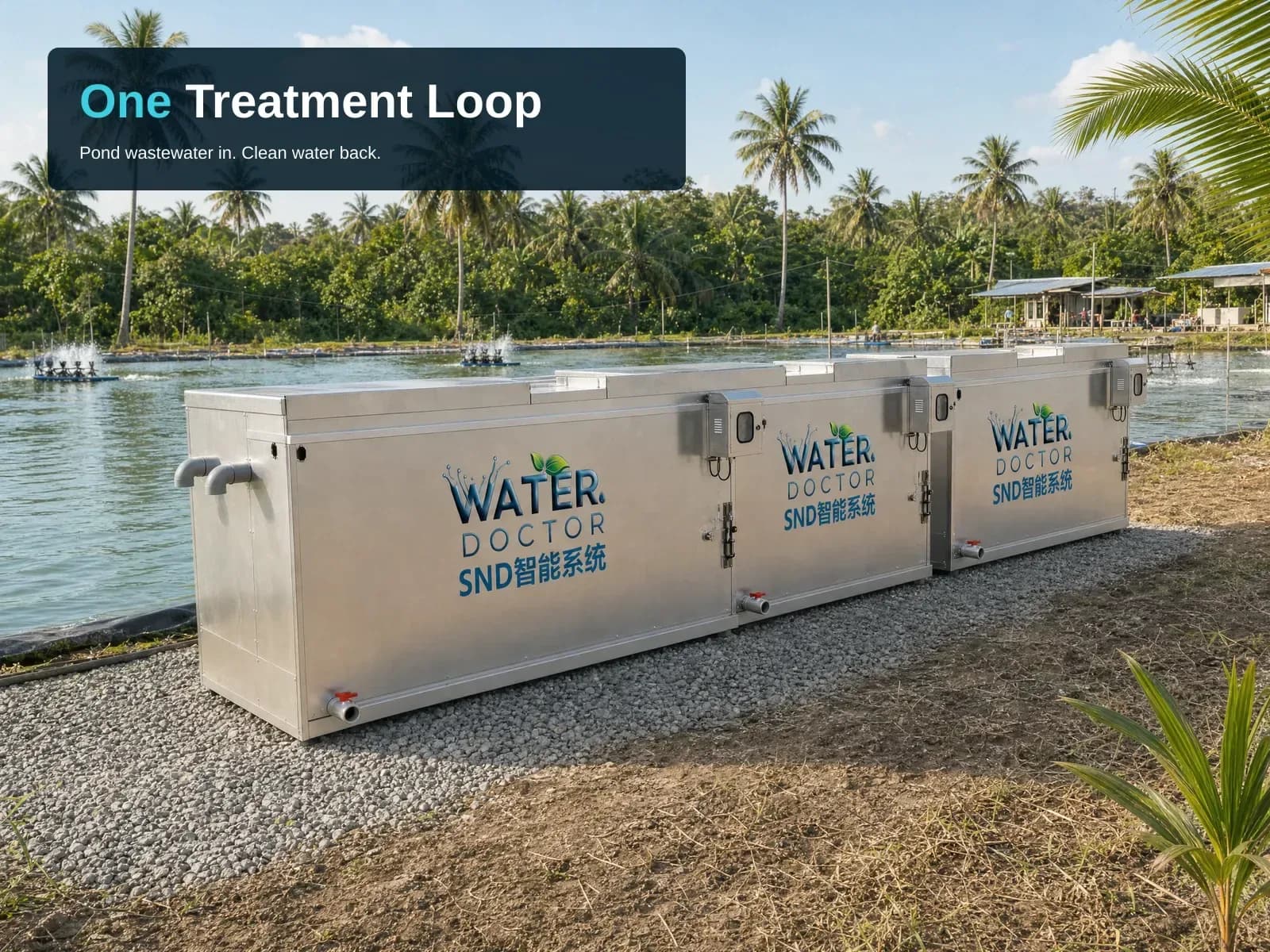
How to prove SND in WaterDoctor's SND Container System
No removal rate, retention time or oxygen setpoint is published for WaterDoctor's SND Container System, so SND there is proven by a total-nitrogen balance, not ammonia.
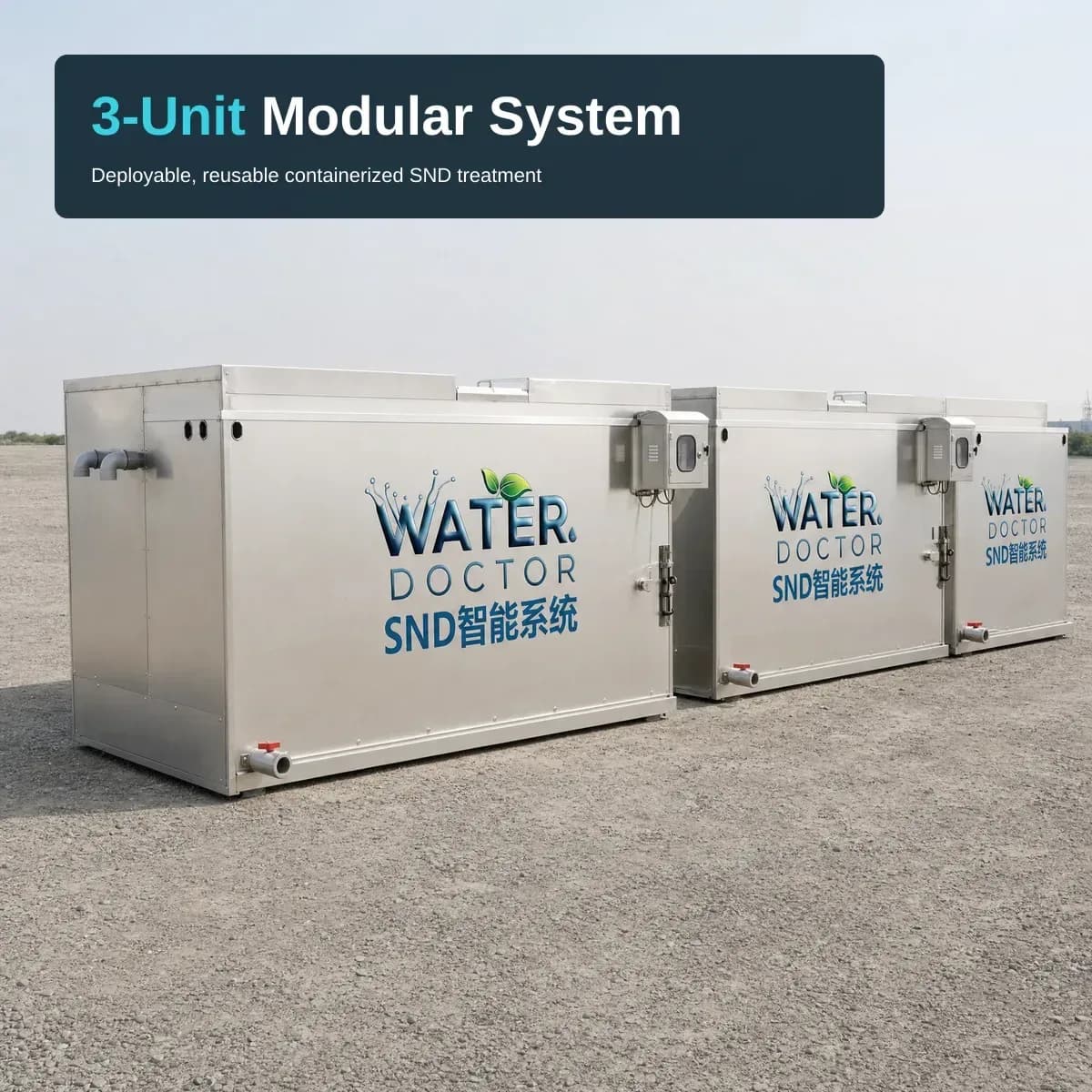
SND Container System reference design for a tilapia RAS
Reference design: WaterDoctor's three-unit SND Container System on a 10 m³/h tilapia RAS side-stream would be judged by kilograms of nitrogen in the same water; its effective volume and flow basis are unpublished.
Atlantium HOD UV Reference Design for Beverage Water
Reference design: a duty and a standby Atlantium RZ104-11 branch after carbon would fit an RO feed only while flow and UVT stay where one certificate's windows cover the line; the delivered dose is the open gap.
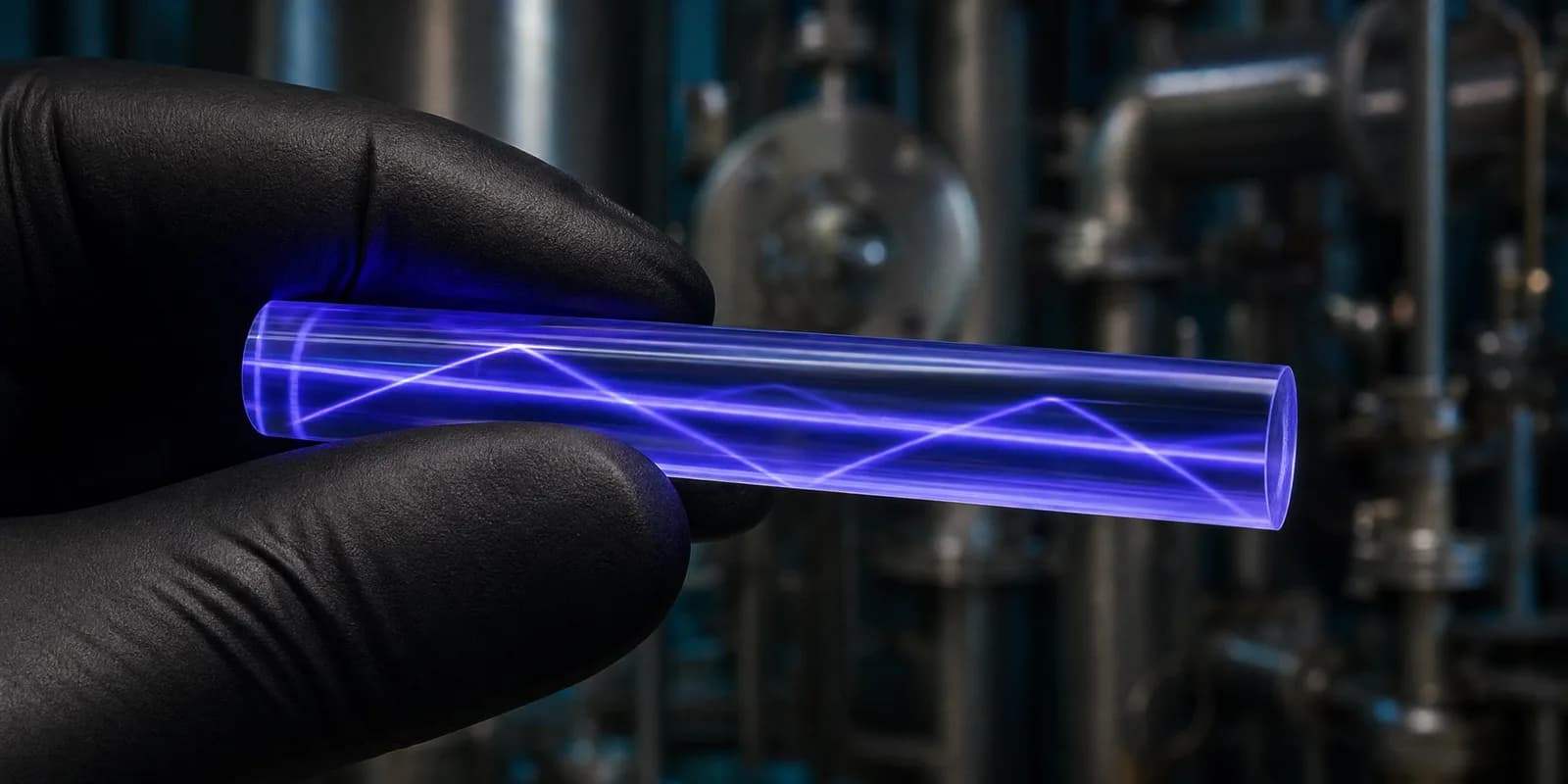
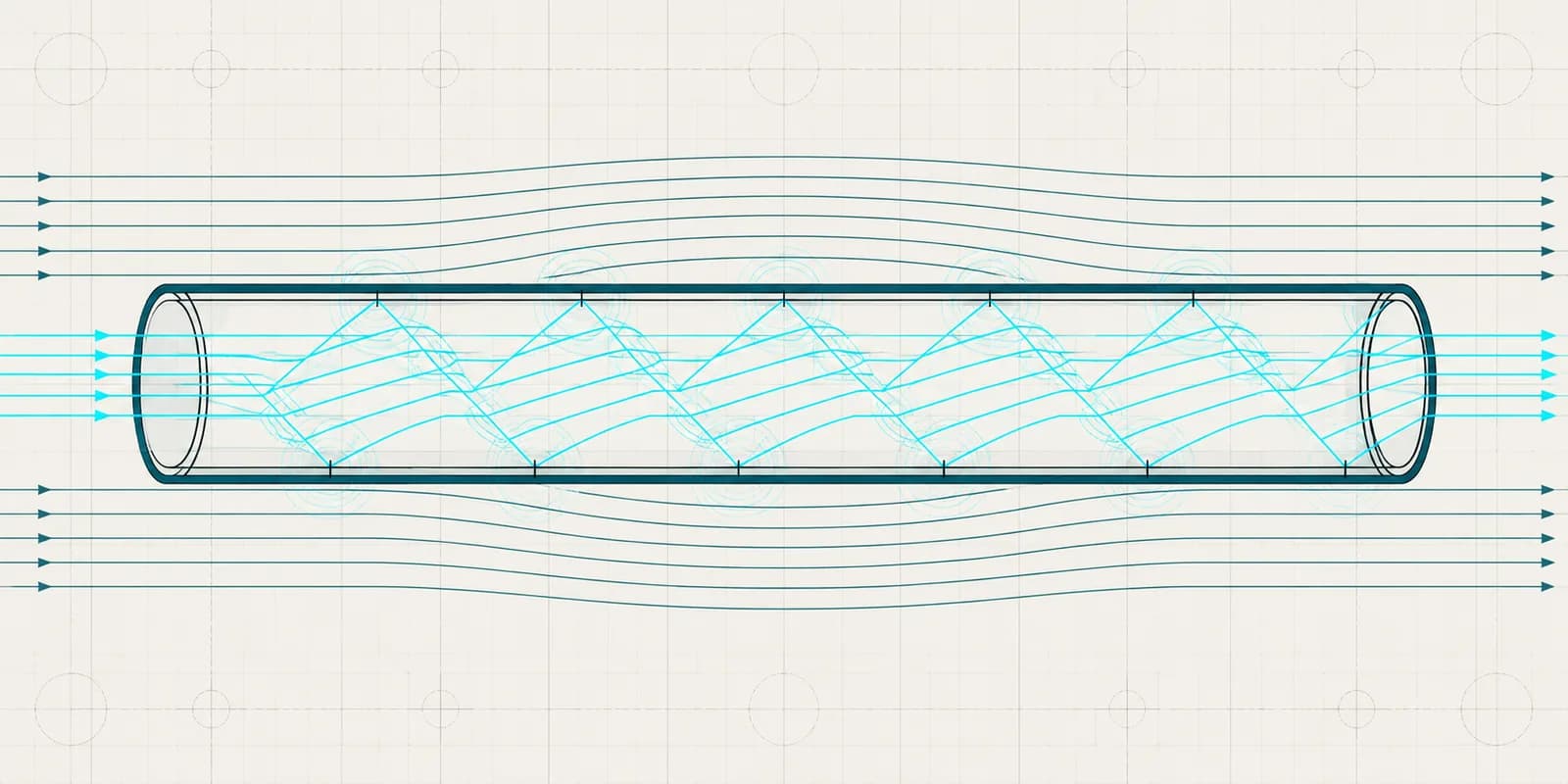
How Atlantium HOD UV Works and What Proves It
Atlantium claims an even dose from Total Internal Reflection, but the one certificate retrieved covers only the RZ104, inside a window of flow, UVT and lamp power. Check delivered dose against site readings.
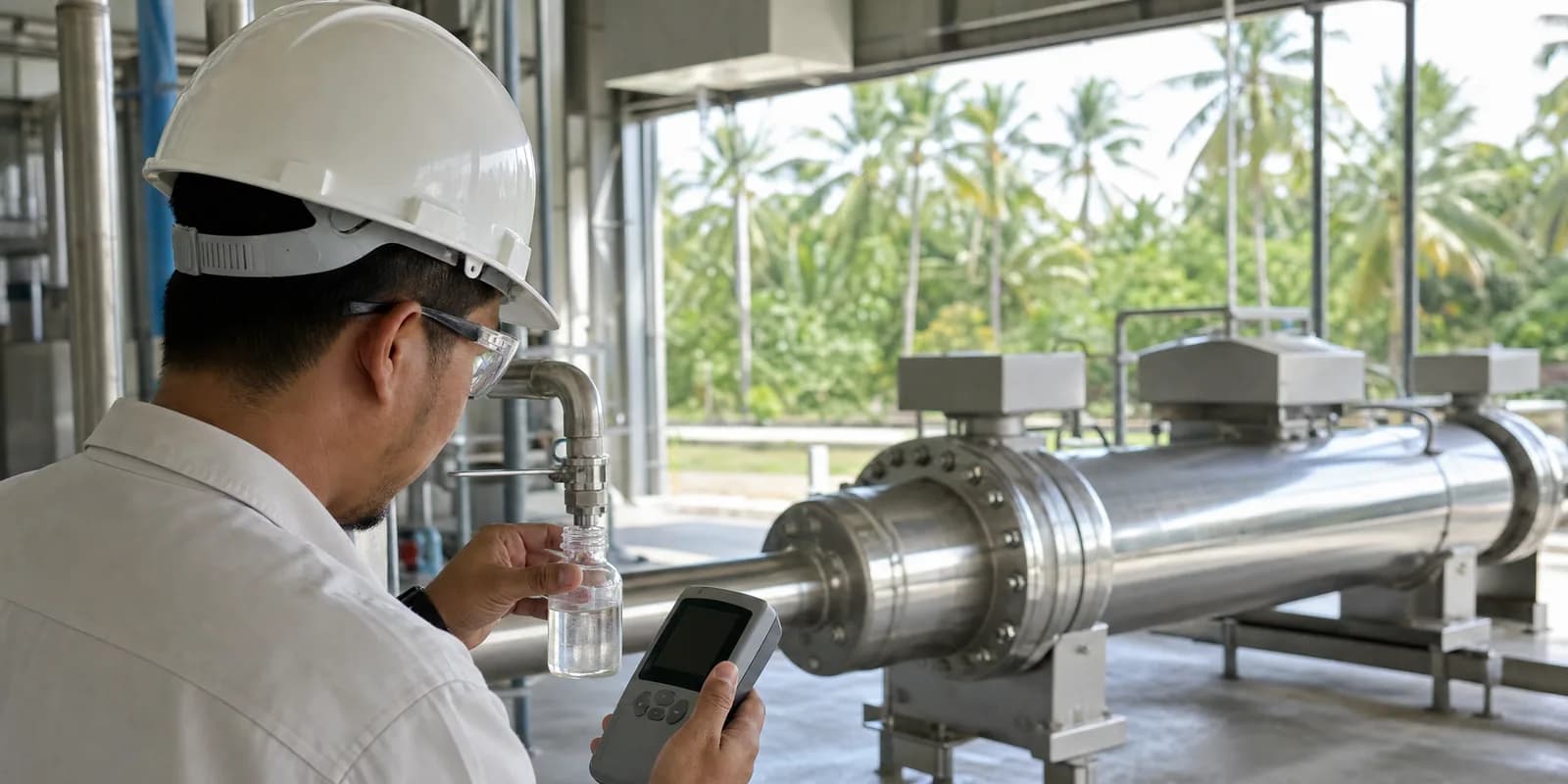
Selecting Atlantium HOD UV Systems for Process Water
Atlantium HOD UV for process water: the flows printed in the documents retrieved are not ratings, so fit rests on dose at the site's UVT and flow, tested against the RZ104 certificate's windows.
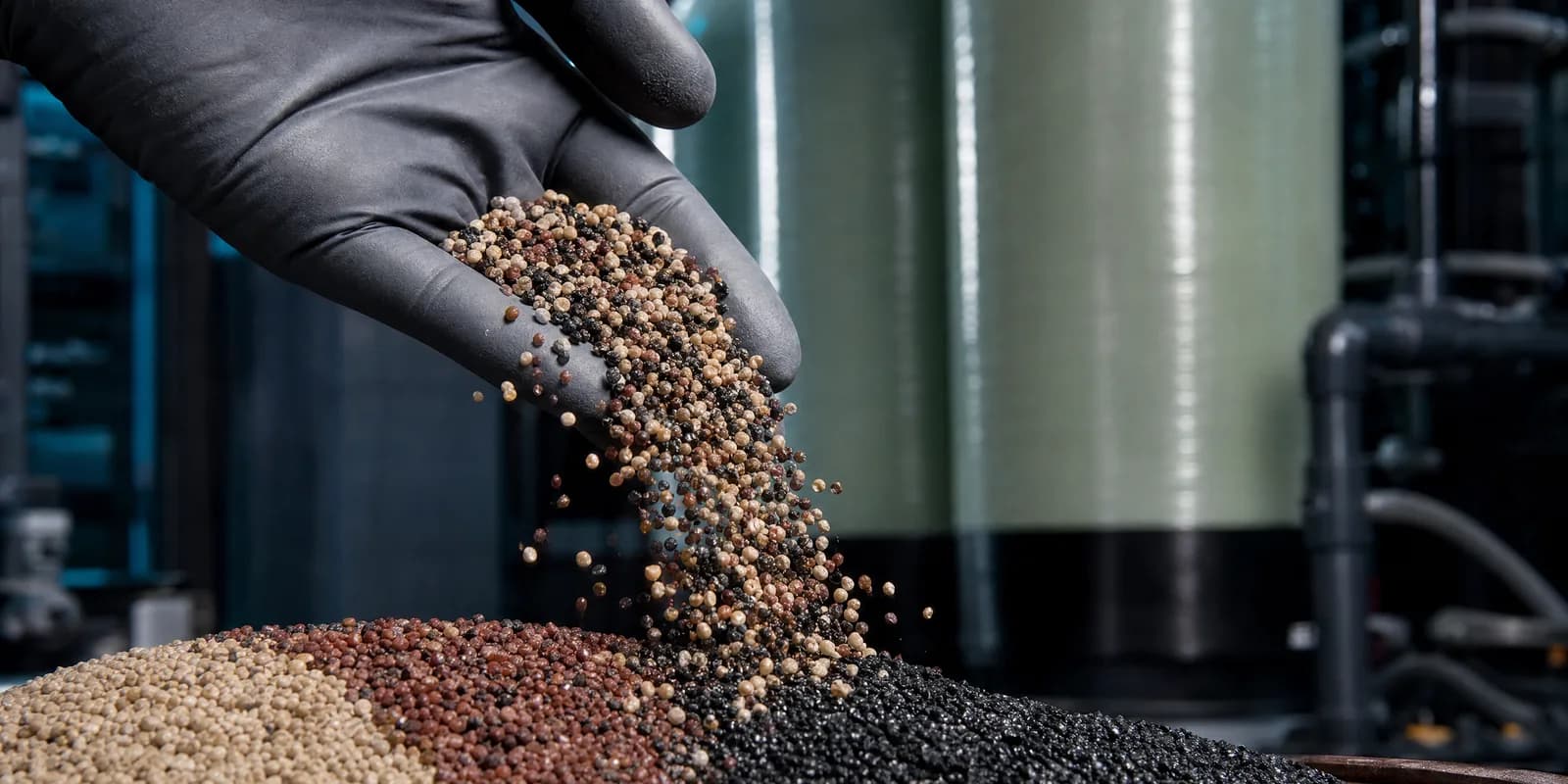
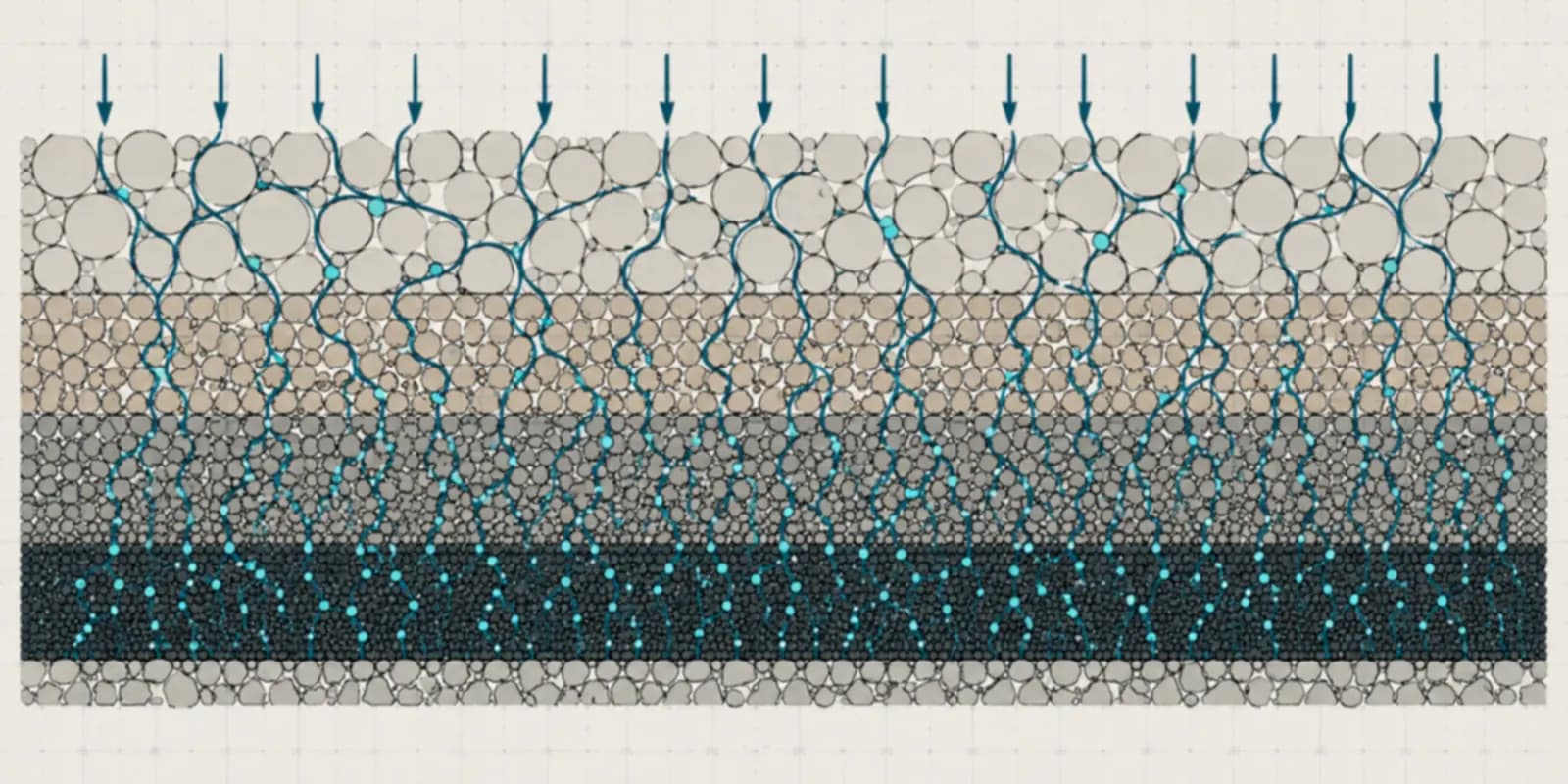
Culligan CTM depth filter mechanics and published limits
Culligan's brochure states 10 microns for depth filters with no published method, and the CTM's pressure-loss table and backwash rates are printed at stated bases, so run length on your water must be measured on site.
Culligan CTM-DF30 RO pretreatment: a reference design
Reference design: a pair of Culligan CTM-DF30 depth filters ahead of a 50 gpm RO feed would meet its own rating with 0% margin; fit turns on outlet turbidity and SDI, which the Culligan brochure does not print.
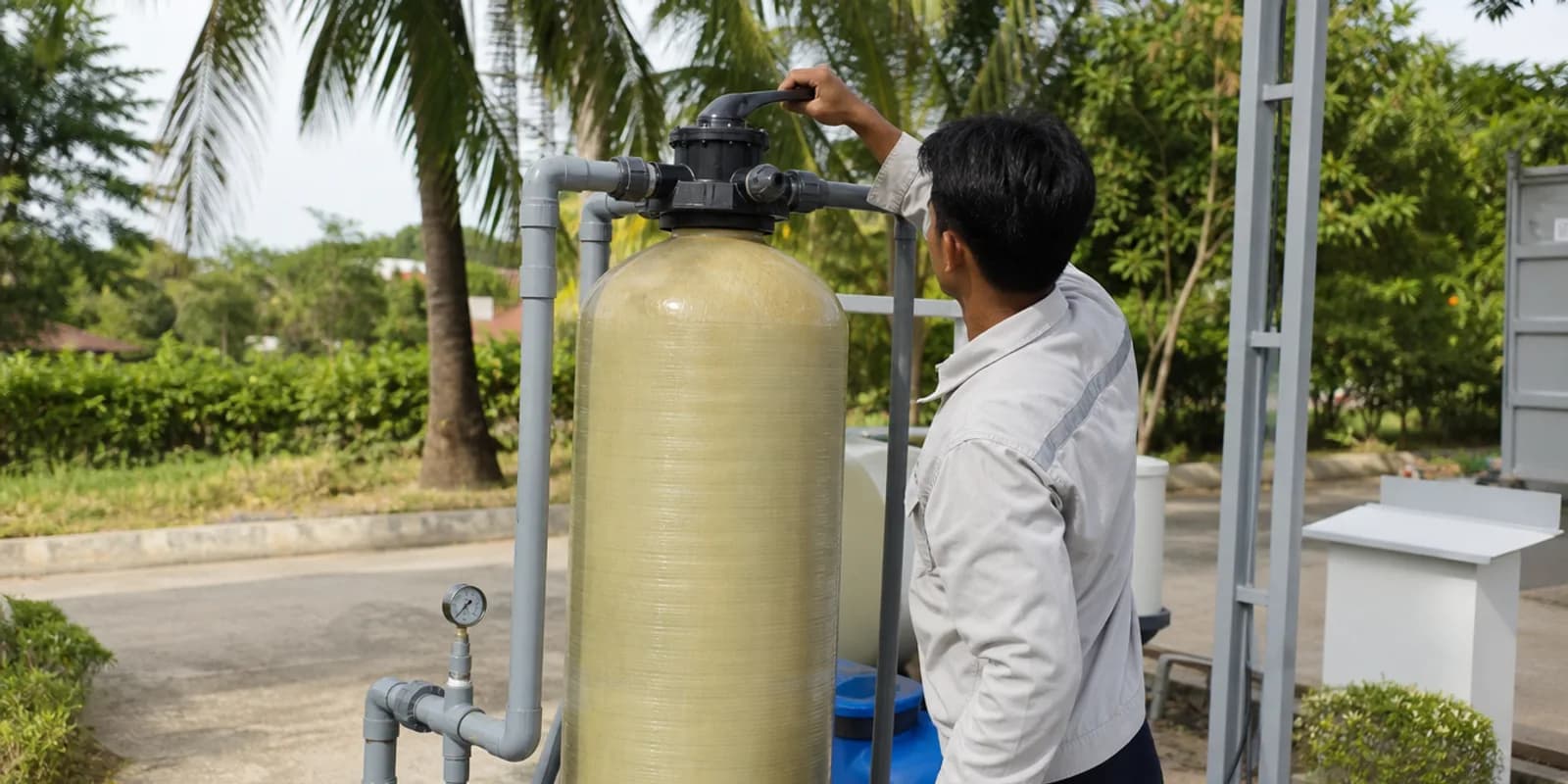
Sizing a Culligan CTM depth filter for pretreatment
A Culligan CTM depth filter's printed flow holds at a stated rate class and adapter, with the solids load Culligan recommends for each class; measure those first, then check adapter, bed condition and backwash draw.
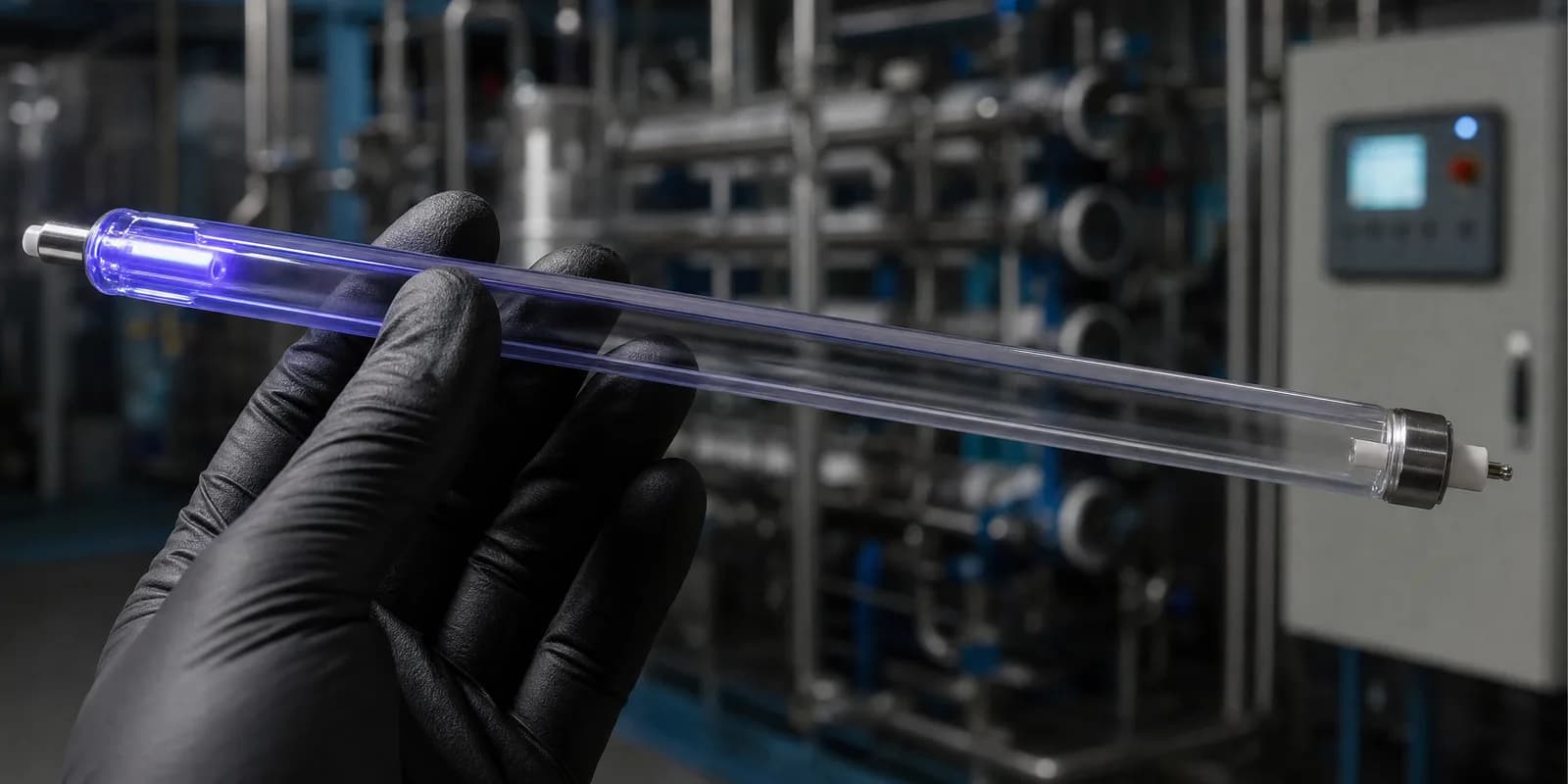
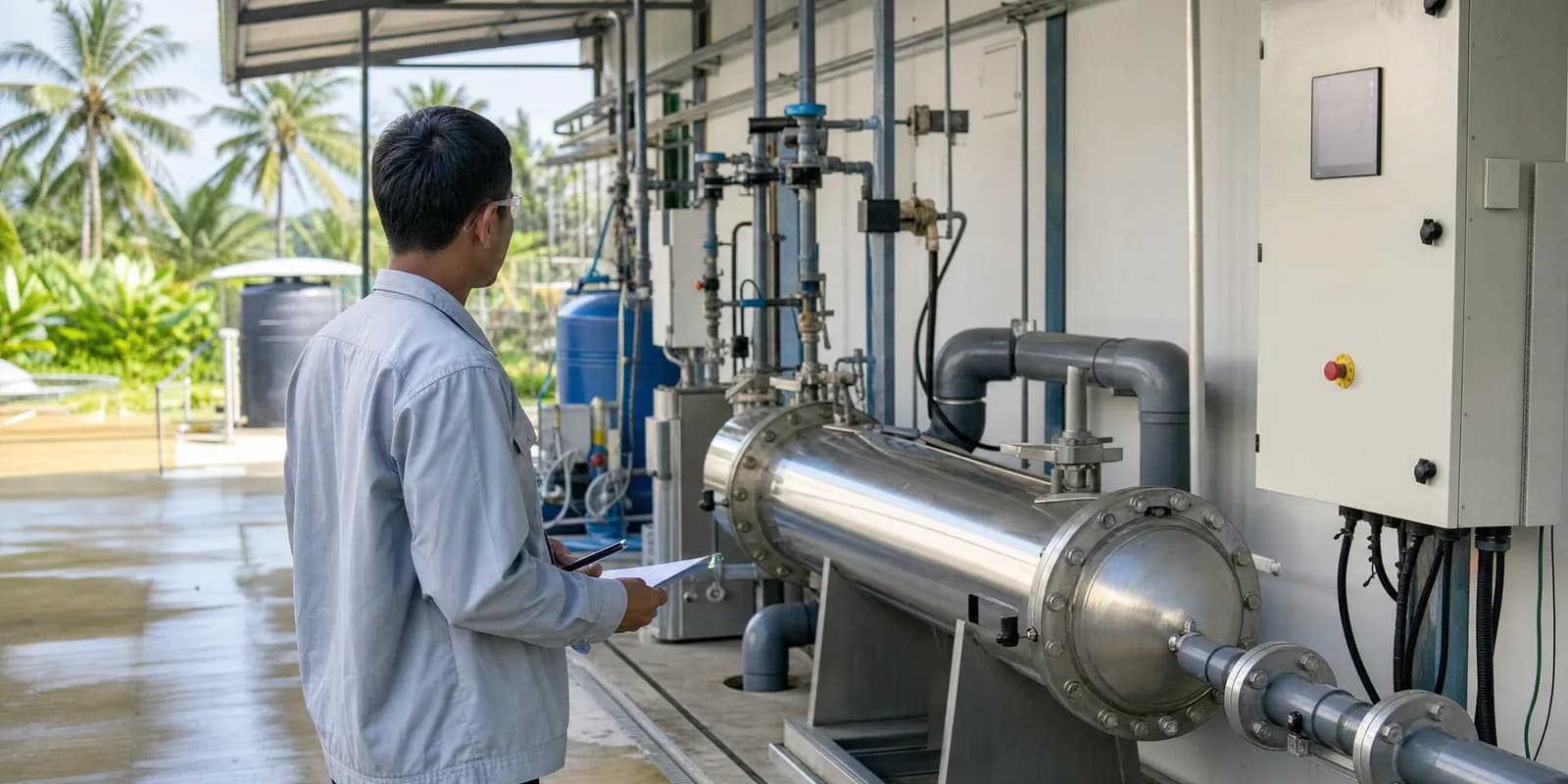
How a ProMinent DULCODES UV reactor delivers dose
ProMinent's DULCODES LP (labelled Not certified on its chart) flow table prints no UV transmittance or dose basis; delivered dose depends on transmittance, flow, lamp age and sleeve, and the EPA says biodosimetry measures it.
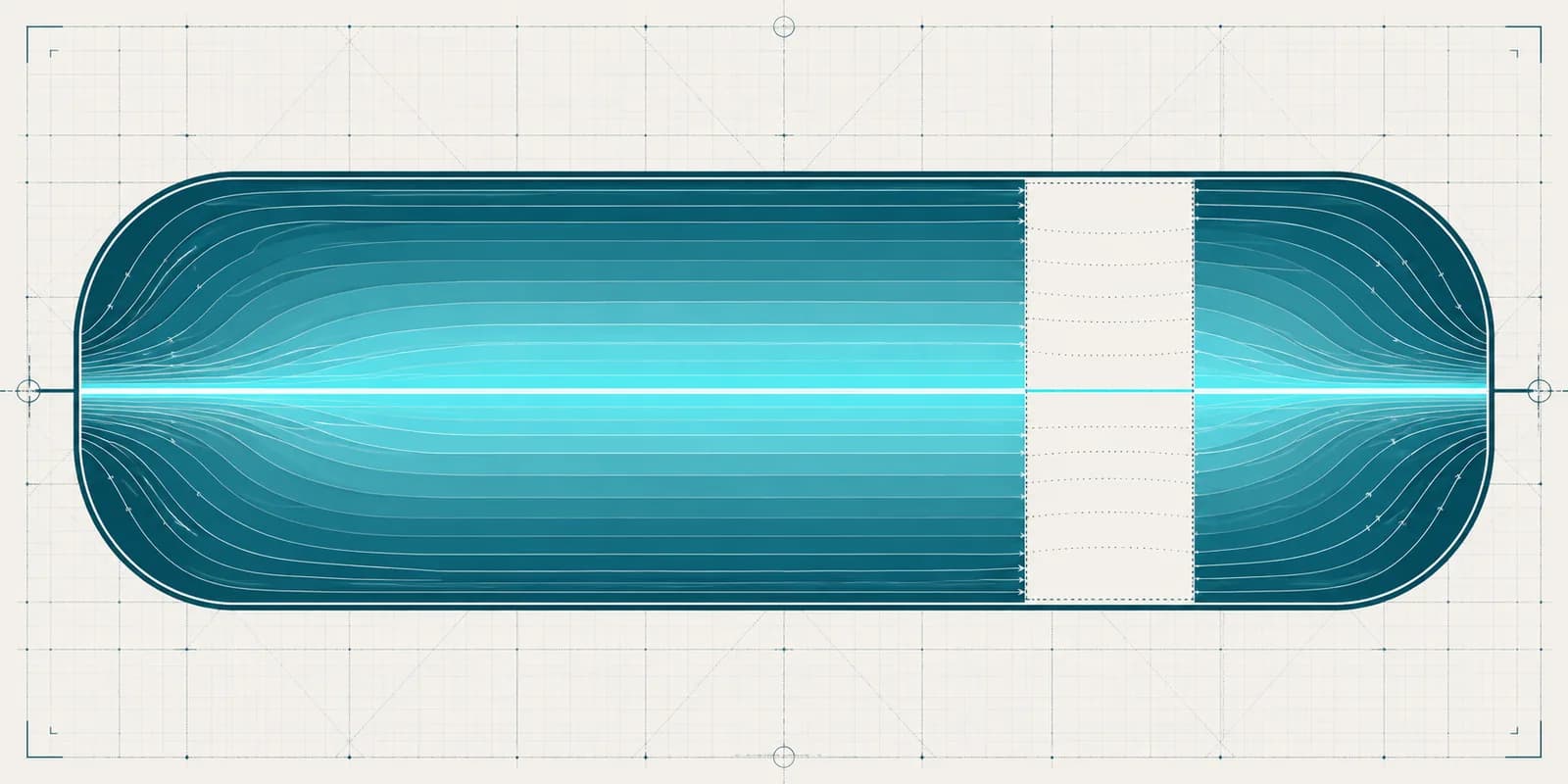
ProMinent DULCODES LP reference design for process water
Reference design: a ProMinent DULCODES LP 3x350 lists 232 m³/h, a 39.7% margin over 140 m³/h, but fit turns on the facility's lowest UVT, sleeve fouling and the owner's microbiological limit, which ProMinent's table does not carry.
Choosing a ProMinent DULCODES UV line and size
For ProMinent DULCODES UV water disinfection, a table's flow is stated at the basis its footnote prints, and the DULCODES LP prints none. Measure UV transmission first.
Viqua VH410-F22 light-commercial UV reference design
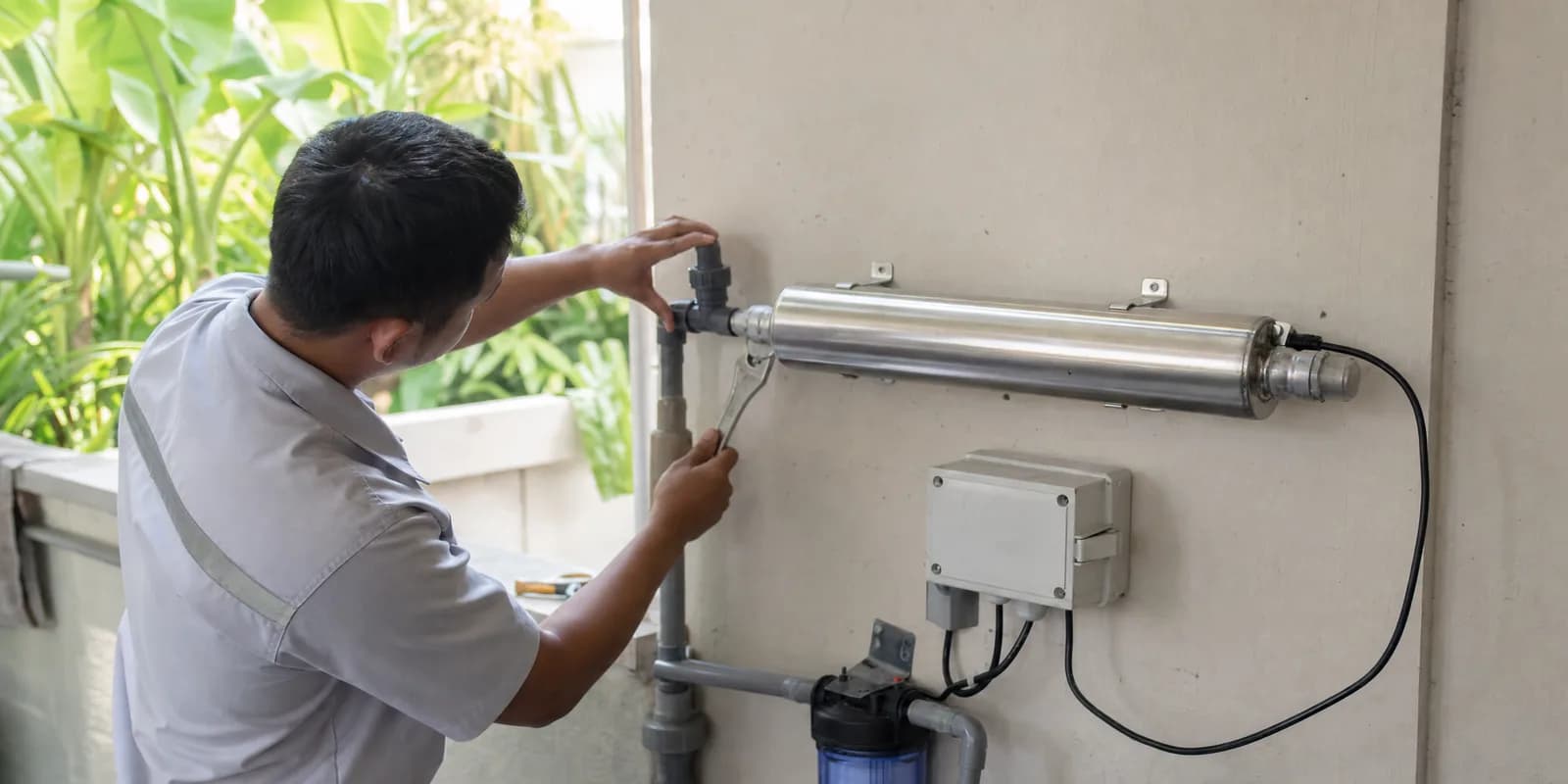
Reference design: one Viqua VH410-F22 could add a UV step at a small facility's 8 gpm peak, but fit turns on measured UVT, the lowest component rating and what the unit's listed features do not observe.
Selecting the Viqua VH410-F22 for ASEAN point-of-entry
The VH410-F22's printed flow rows assume 95% UVT, and the manual adds end of lamp life and 20 °C; for point-of-entry duty, measure UVT, then size to the lowest printed component rating.
What decides the UV dose of the Viqua VH410-F22
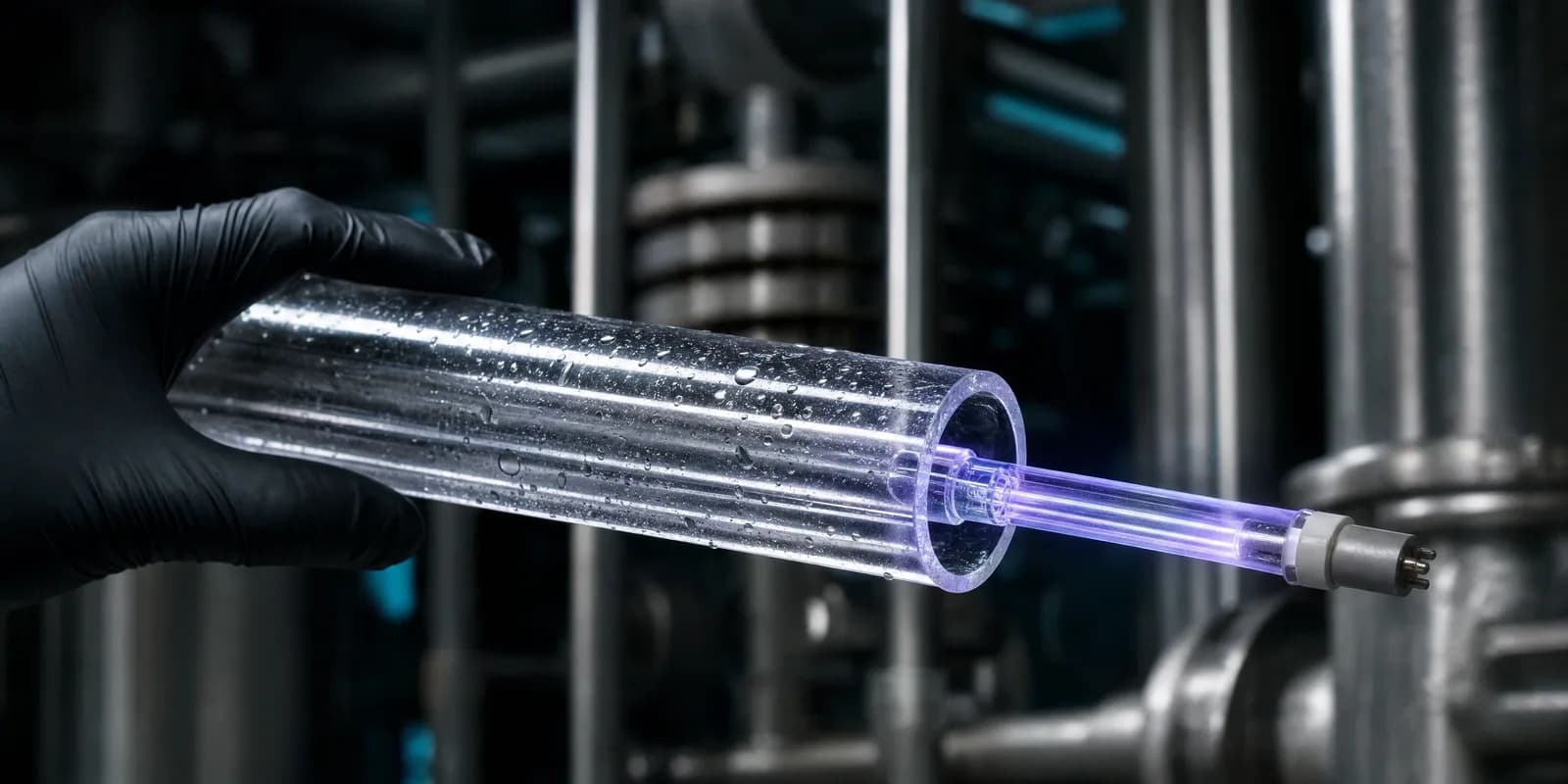
The Viqua VH410-F22 states 16, 30 and 40 mJ/cm² at 34, 18 and 14 gpm; Viqua's manual bases them on 95% UVT, end of lamp life and 20 °C. For other water, prove the dose on site and ask Viqua.
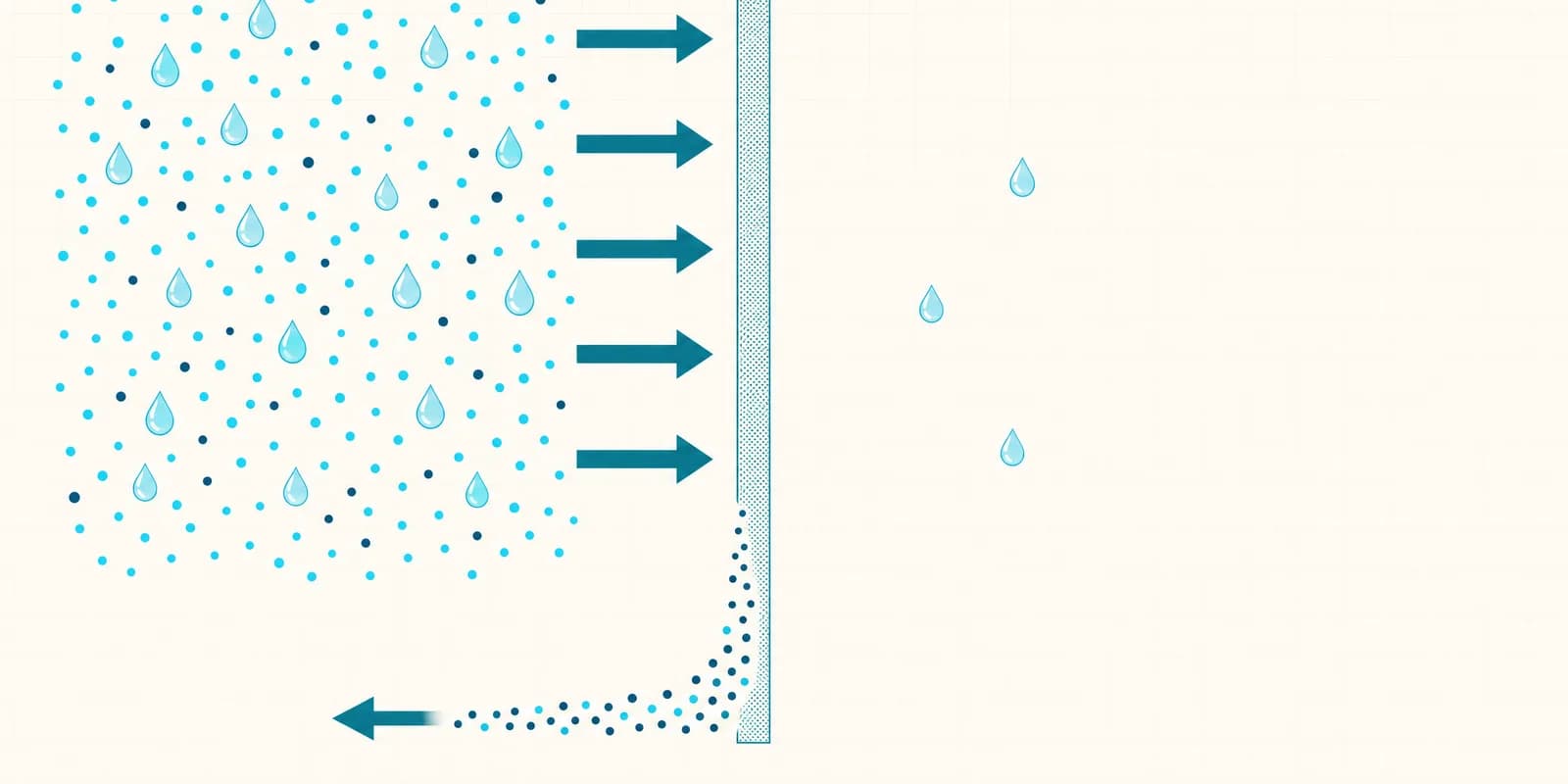
Vontron ULP light-commercial RO: a 900 GPD reference design
Reference design: a Vontron ULP3113-1000 and ULP3013-400 pair would supply 900 GPD at an assumed ±20% tolerance floor only with both elements online; fit turns on oxidant removal, recovery and floor flow, not nameplate GPD.

Sizing Vontron ULP elements for point-of-use RO
Size Vontron ULP elements for point-of-use RO to the tolerance floor, not the GPD nameplate: it holds only at a bench test line and a tolerance printed on some sheets; measure the feed first.

Vontron ULP elements: what ultra-low pressure means
Vontron rates ULP household RO elements at 60 or 100 psi test points; flow and rejection hold only on each test line, so prove an element on your own pressure, recovery, feed and temperature.

SnowPure Electropure EDI: how the module removes ions
SnowPure's Electropure EXL modules polish RO permeate by electric field; purity and recovery depend on feed, voltage and concentrate route, so prove them on the water and terms agreed with SnowPure.
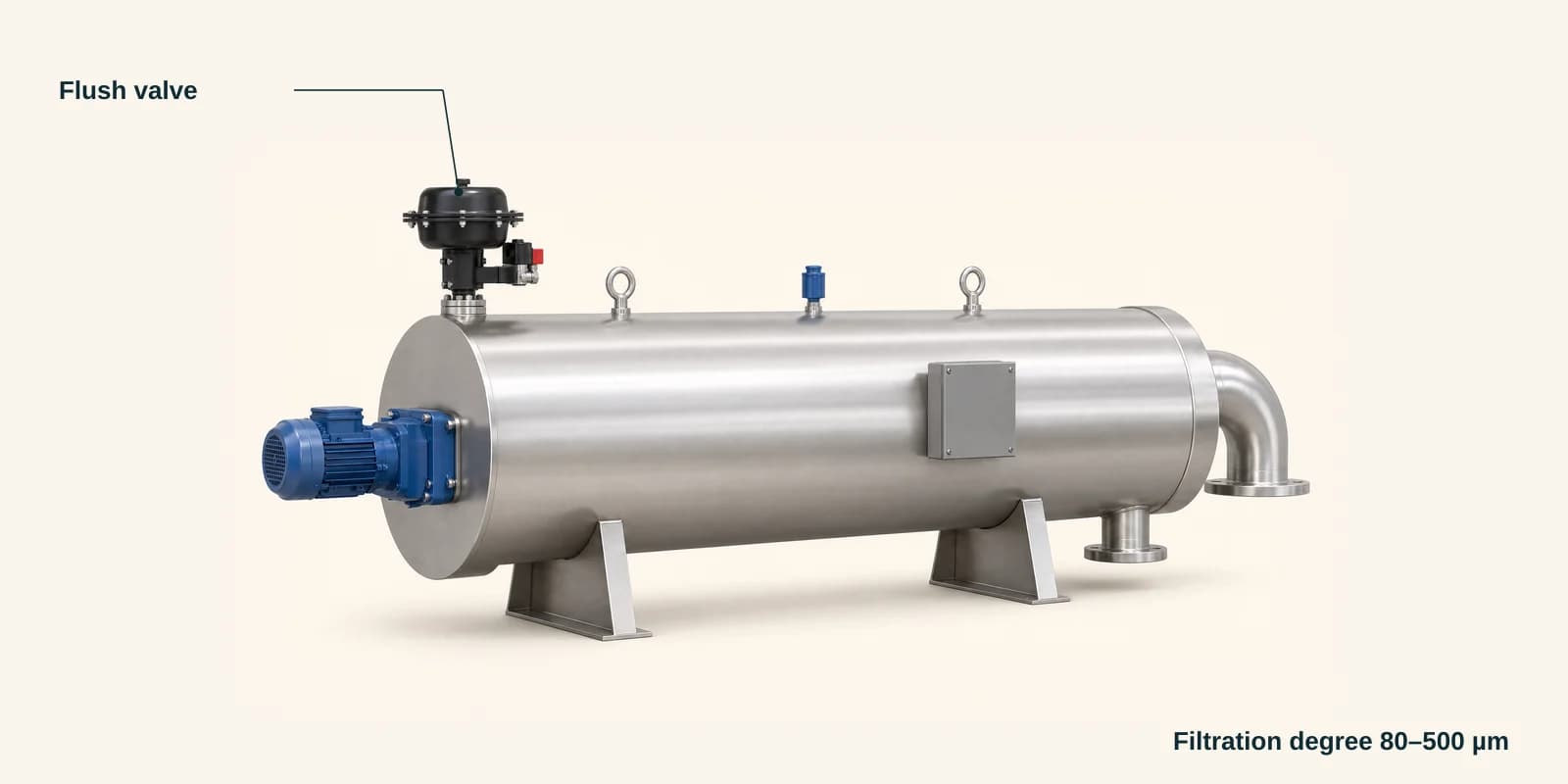
Filtersafe Trident E raw-water screening reference design
Reference design: one Filtersafe Trident E TRE0096 at 200 µm would take a 300 m³/h industrial intake only if Filtersafe confirms its capacity at that grade; Max Capacity is a ceiling, with no capacity published by grade.
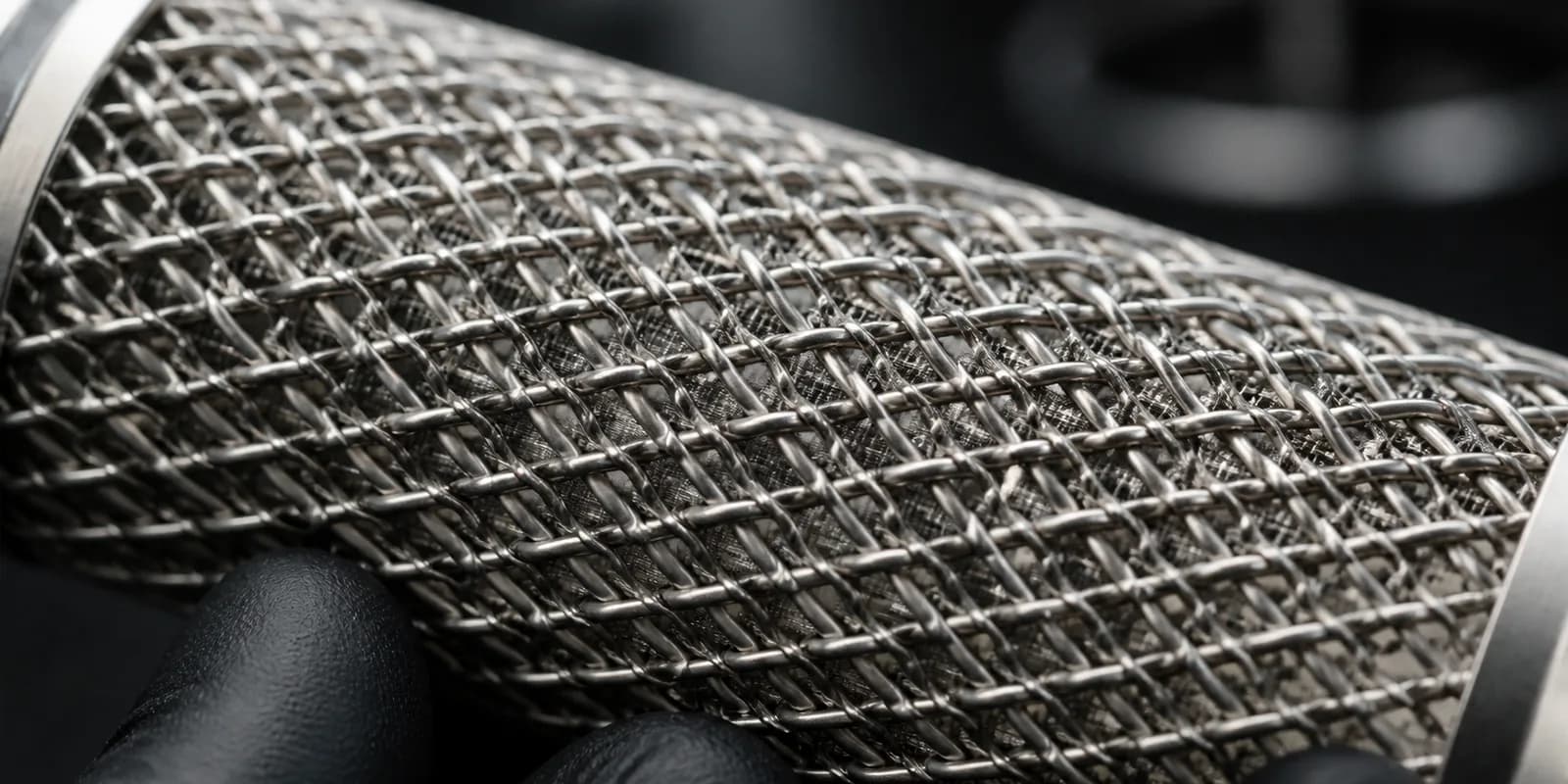
How the Filtersafe Trident E screen filter cleans itself
Filtersafe's Trident E screen filter flushes on differential pressure, a timer or by hand while online. Documents retrieved give the cycle and a minimum flush volume, but no retention figure, wear test or flush frequency.
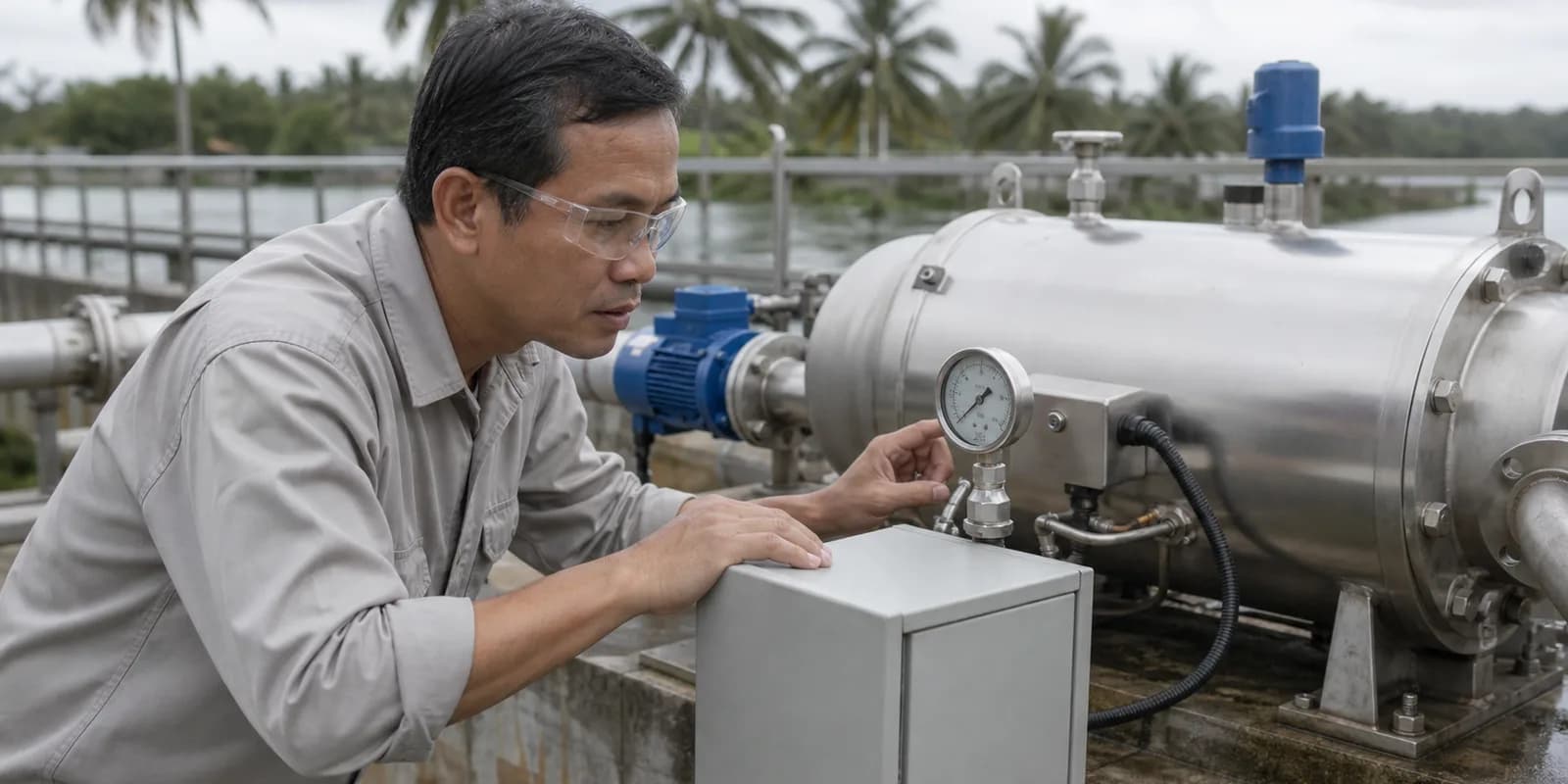
Selecting a Filtersafe Trident E for a high-TSS intake
Whether a Filtersafe Trident E suits a high-TSS intake depends on Filtersafe's written capacity at the buyer's grade and on the buyer's own TSS, pressure and flush-route data.
Amiad Spin Klin disc filter mechanics versus sand
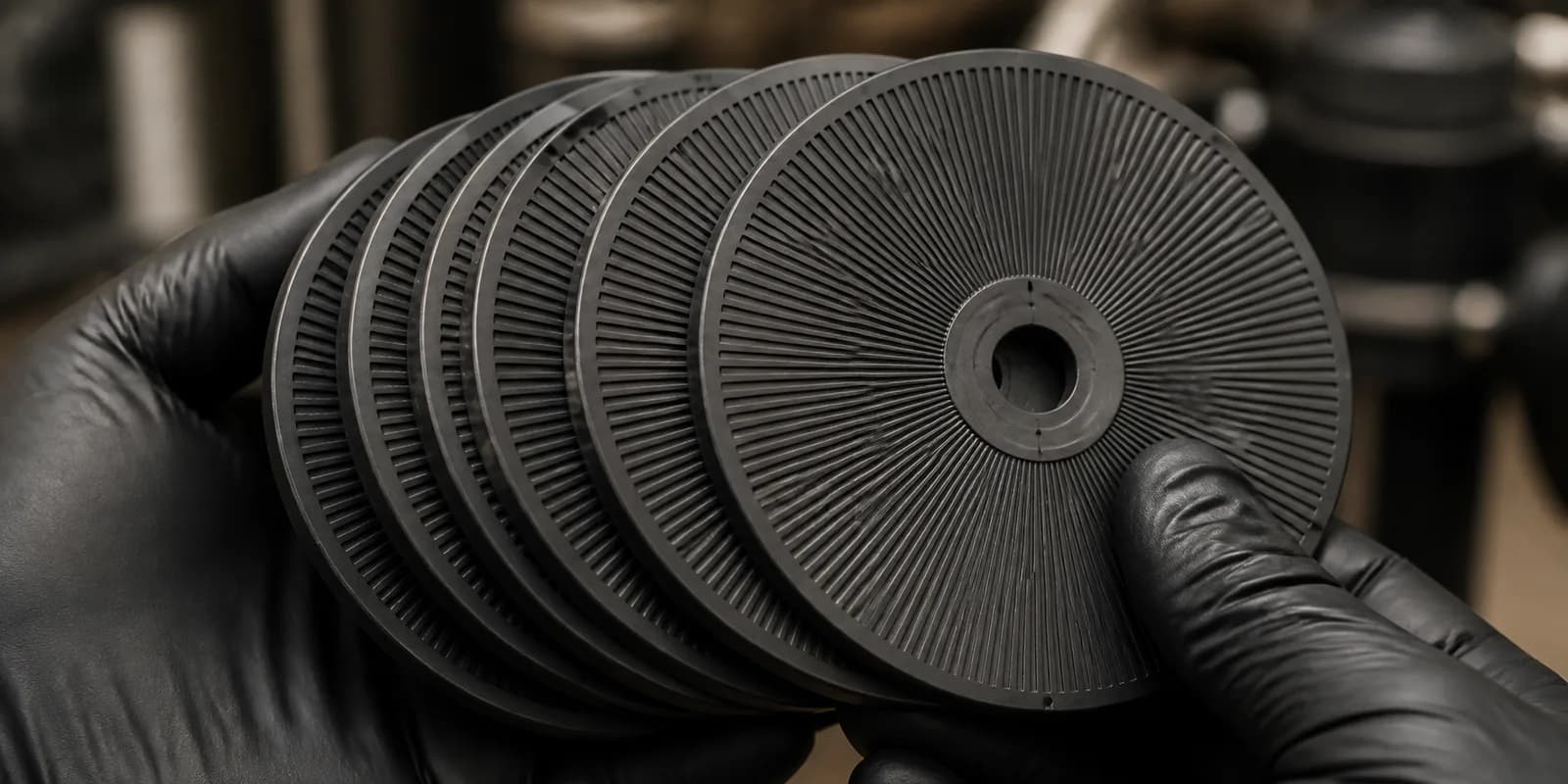
Spin Klin disc filters clean by releasing and spinning the stack. Amiad's 2-inch and 3-inch manuals call for more back-flush pressure at finer grades, and its retrieved documents print a grade, not a removal rating.
Selecting Amiad Spin Klin disc filters for canal water
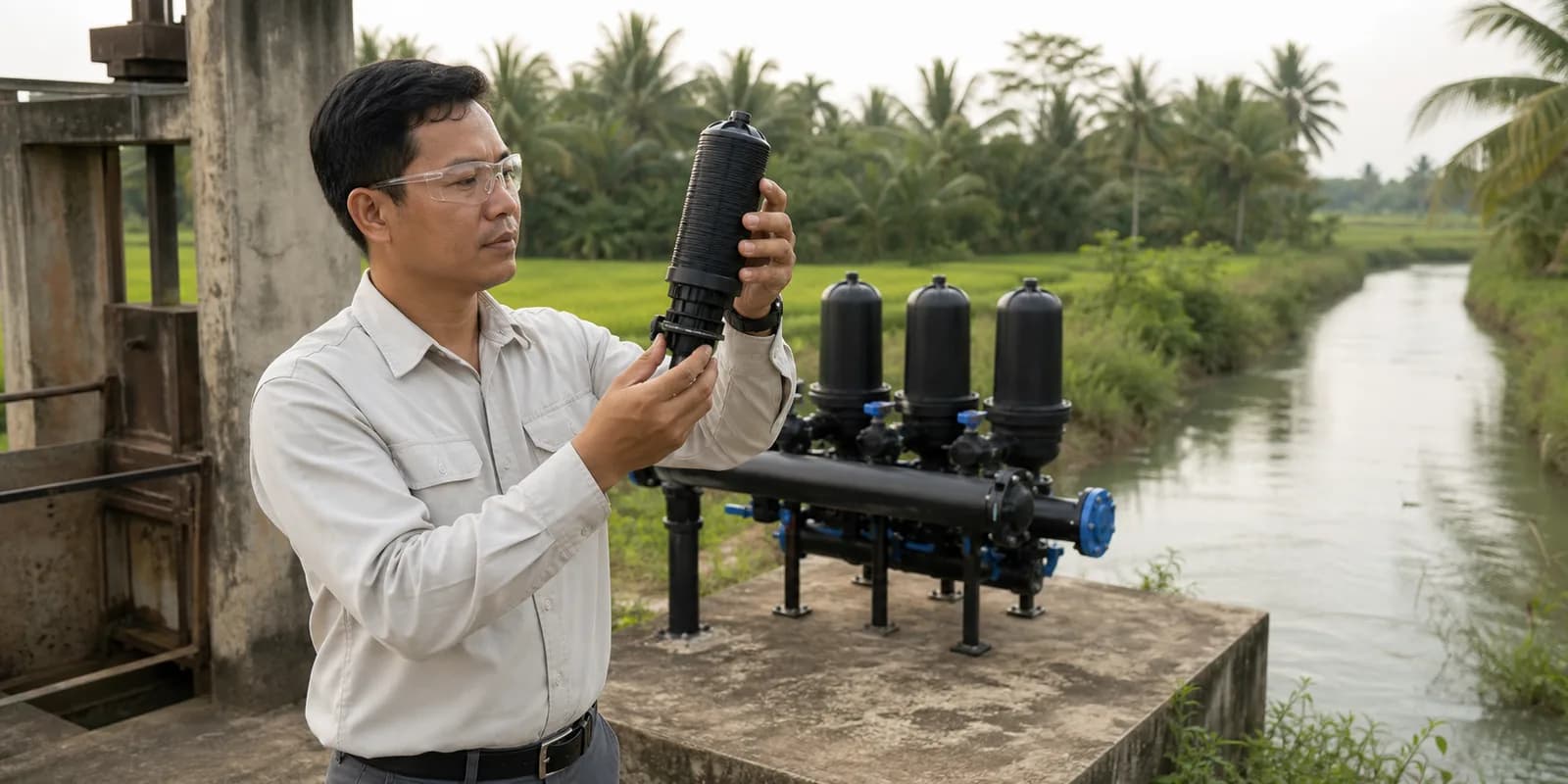
Amiad Spin Klin disc filters on open canal water fit first by the back-flush pressure the grade needs at the battery; the pages' flow range does not say what it covers, and one unit's flow and the count are not printed; ask Amiad.
Amiad Spin Klin for canal-fed drip: a reference design
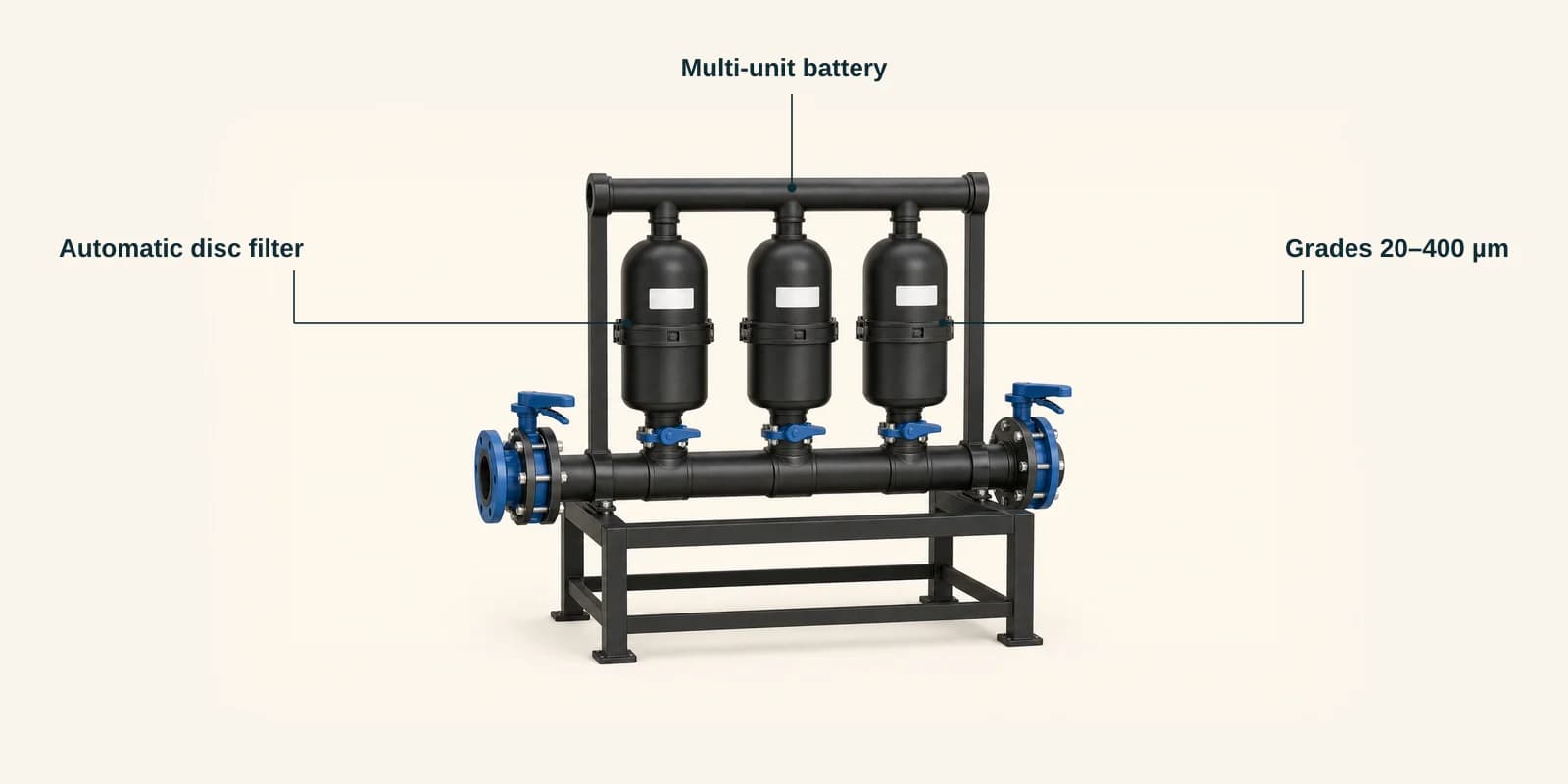
Reference design: a 2-inch Amiad Spin Klin battery with 130 µm discs could be configured for canal-fed drip at 50 m³/h only if the pump station holds the design's 3 bar at the battery in every flush; page ranges do not decide fit.